



How to choose the right insoles?
With so many options, it’s no wonder people feel lost when trying to choose the right insoles. As a physiotherapist, I hear this question quite commonly, and the truth is that what feels best isn’t always what works best for your feet.
Soft? Comfortable? Hard? Memory foam?
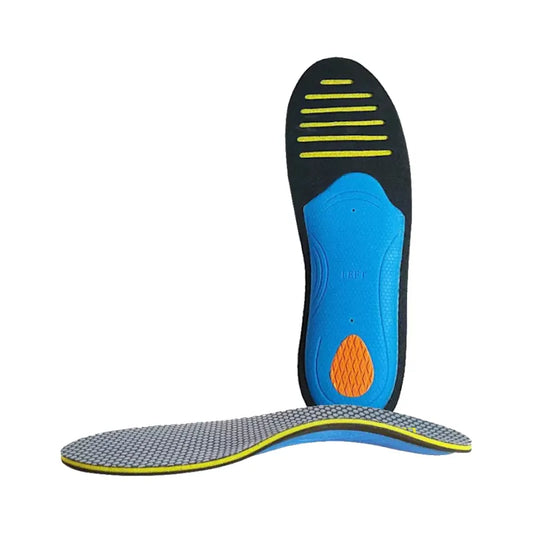
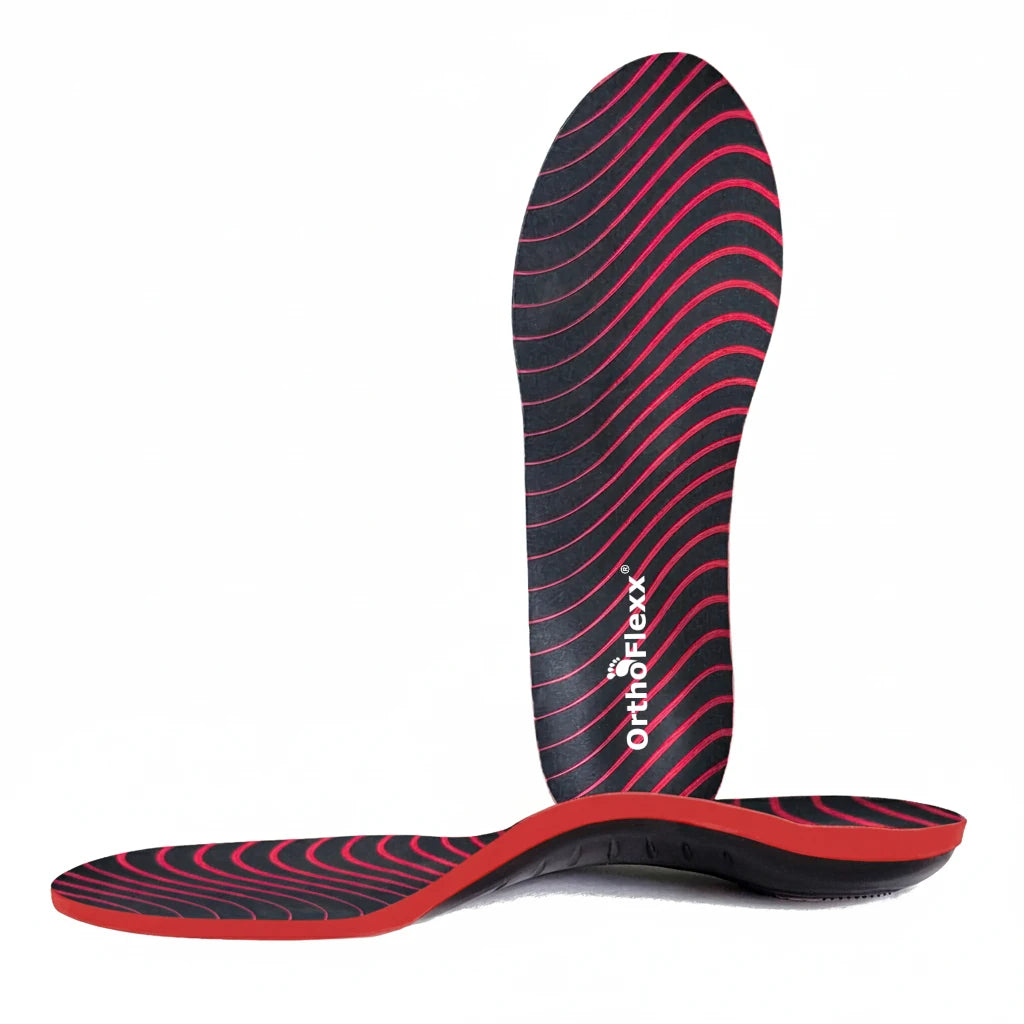
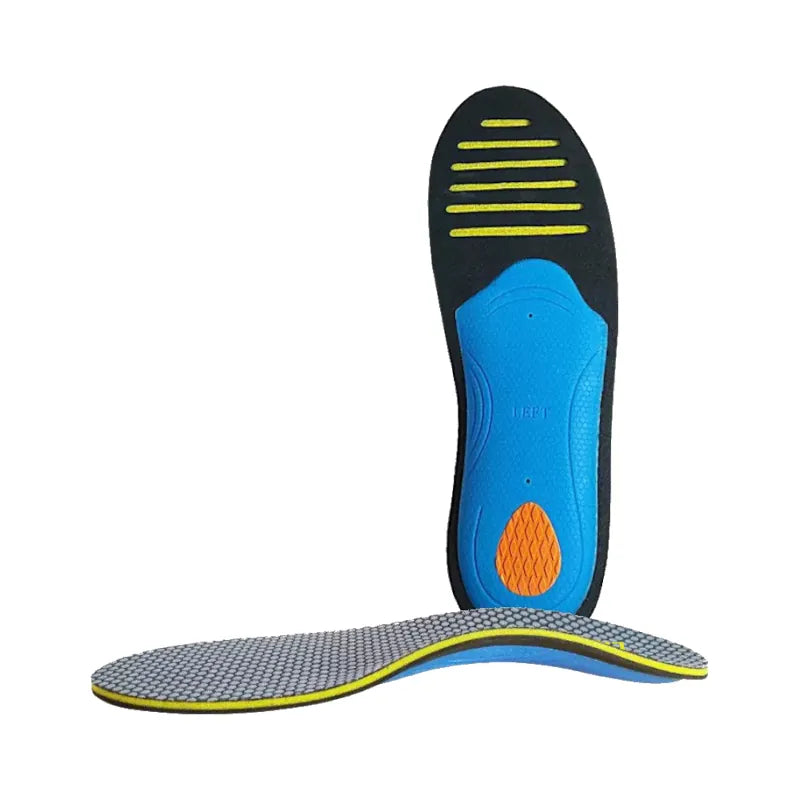
Insoles are designed to support your foot’s natural shape, improve alignment, and reduce strain on key areas like the heel and arch. The best type for you depends on your foot mechanics, activity level, and whether you have conditions like plantar fasciitis, flat feet, or high arches. The right insole for you might not be the right one for your friend. Everyone’s body is unique—our feet, posture, and movement patterns all work differently, which means what feels perfect for one person might not suit another at all.
The memory foam myth
Memory foam insoles often feel amazing at first because they’re soft and cushioned, but they usually lack structure. Over time, this can actually make your pain worse, as your foot sinks and loses proper support.
For most people, the best results come from insoles that are:
- Firm under the arch
- Stable at the heel
- Supportive without being hard or painful
A good insole should support your arch and heel—not just cushion them.
Insoles aren’t the whole solution
Insoles help—but they’re only one piece of the puzzle. Regular stretching, strengthening, staying active, and maintaining good sleep and nutrition all help your body recover and handle inflammation better.
If you’re unsure where to start, talk to a physiotherapist or podiatrist for a quick assessment. The right insole can truly make a world of difference—but it works best when your whole lifestyle supports healthy, happy feet.
Author Info

Diana Ferreira
Licensed physiotherapist with over 8 years of experience specializing in musculoskeletal injuries and a Master's degree with a thesis focused on the complexities of foot pain.
Passionate about helping people living active and healthier lives using practical and science-based solutions.
Edited by Mona-Shirin Al-Ariqi