



What kind of winter boots are best for plantar fasciitis?
Winter is coming... And with it usually comes the cold and, therefore, the need to change our clothes and footwear. As a physiotherapist with 8 years of experience in musculoskeletal physiotherapy, focusing my practice and studies on the complexities of foot pain, one of the most common questions I get when the weather starts to change is:
"What kind of shoes are best for plantar fasciitis?"
And more specifically, "What kind of boots should I choose?"
Winter boots can be tough on plantar fasciitis
Boots can be quite heavy, which forces your feet and leg muscles to work harder to maintain balance with each step. Over time, this extra effort can create unnecessary tension in your calves, arches, and even your lower back.
People who live with plantar fasciitis are often very aware of the impact the change of footwear has in symptoms related to this condition. It's not easy to find shoes that properly support your arches and absorb impact.
Comfort alone isn’t enough.
You’ll want to check lightweight boots made with supportive yet flexible materials.
Boots with firm, supportive sole that doesn’t bend easily through the middle. The heel should feel stable, with some cushioning to absorb shock as you walk.
Look for boots that gently support the arch rather than feeling flat inside. A contoured insole or midsole that follows the natural curve of your foot can make a big difference.
That said, many winter boots focus more on insulation and waterproofing than proper foot mechanics. And, when they do combine warmth, waterproofing, and good structure, they can be quite expensive.
When insoles can make a big difference
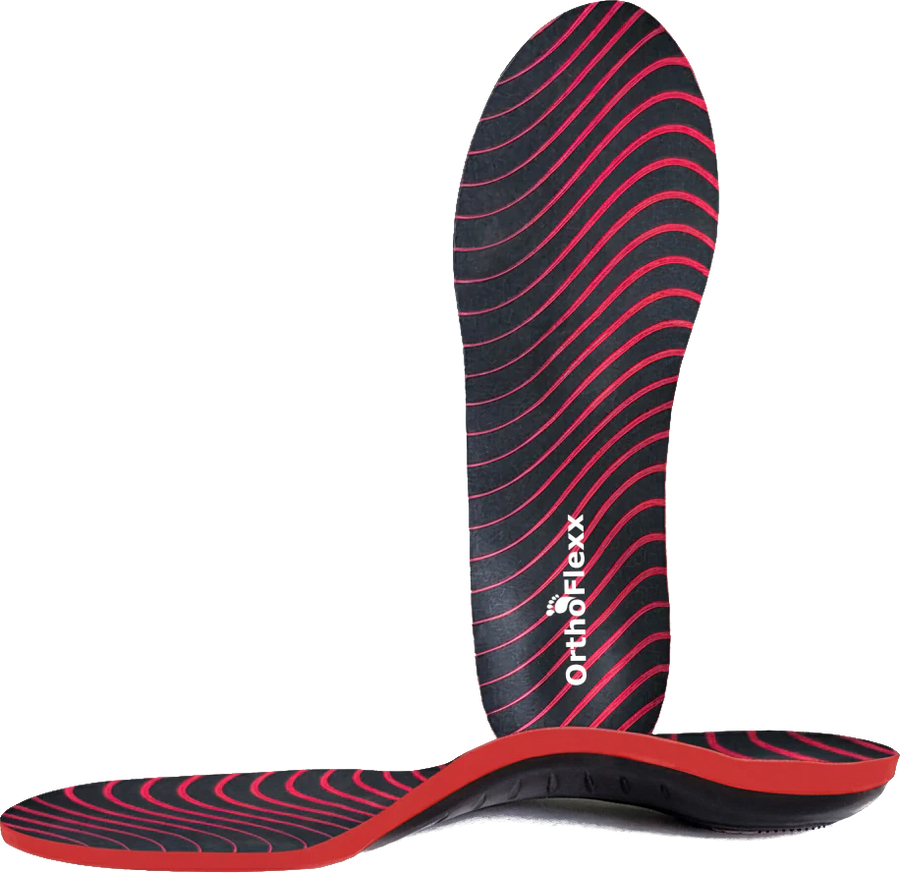
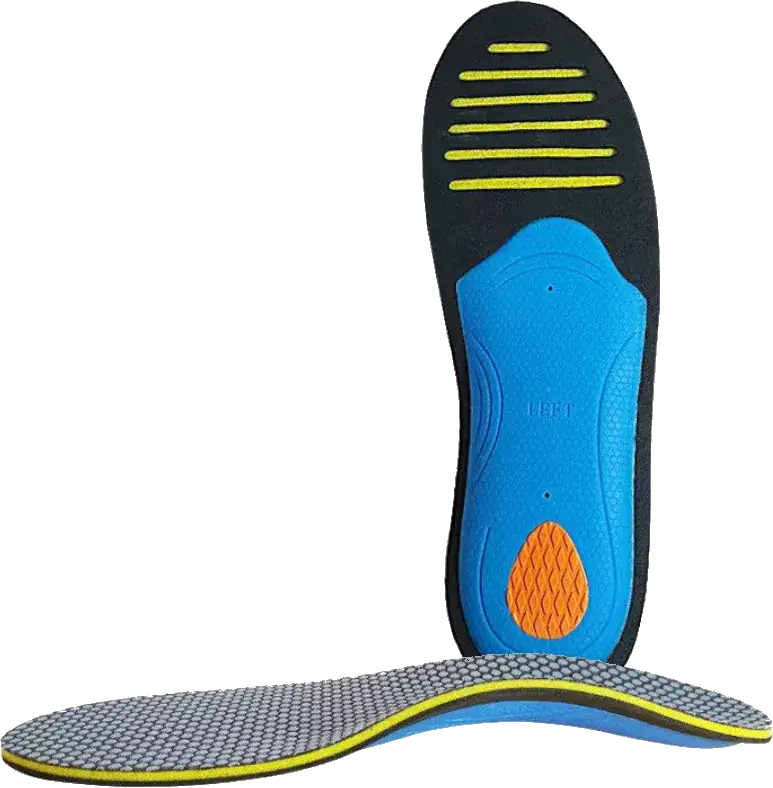
If your boots feel too flat or too soft, a good pair of insoles can help.
For plantar fasciitis, look for insoles that provide:
- Firm arch support
- A deep heel cup to stabilize the foot
- Materials that won’t flatten out after just a few wears
These features help reduce strain on the plantar fascia and improve overall alignment with every step.
If you’re breaking in new boots, take it slow
Wear them for shorter periods at first and stretch your calves and feet daily. Rolling a small ball under your arch or doing gentle heel raises can help keep the tissue flexible and pain-free through the winter months.
It can take some trial and error to find the right setup, but it’s worth it.
The right combination of supportive boots and quality insoles can keep your feet warm, comfortable, and pain-free all season long. Take care of your feet—they’ll thank you with every step.