



What is the Main Cause of Plantar Fasciitis?

Today I want to talk about something many people wonder about: what actually leads to plantar fasciitis.
It's Not One Injury — It's an Overload Story
Many people think there is a single clear cause, when in reality, it usually develops over time from repeated strain on the foot rather than one specific injury.
The plantar fascia is a strong band of tissue that supports your arch and helps absorb impact when you walk. The main reason it becomes painful is excessive and repeated stress without enough recovery time.
Why Your Shoes Might Be the Real Culprit
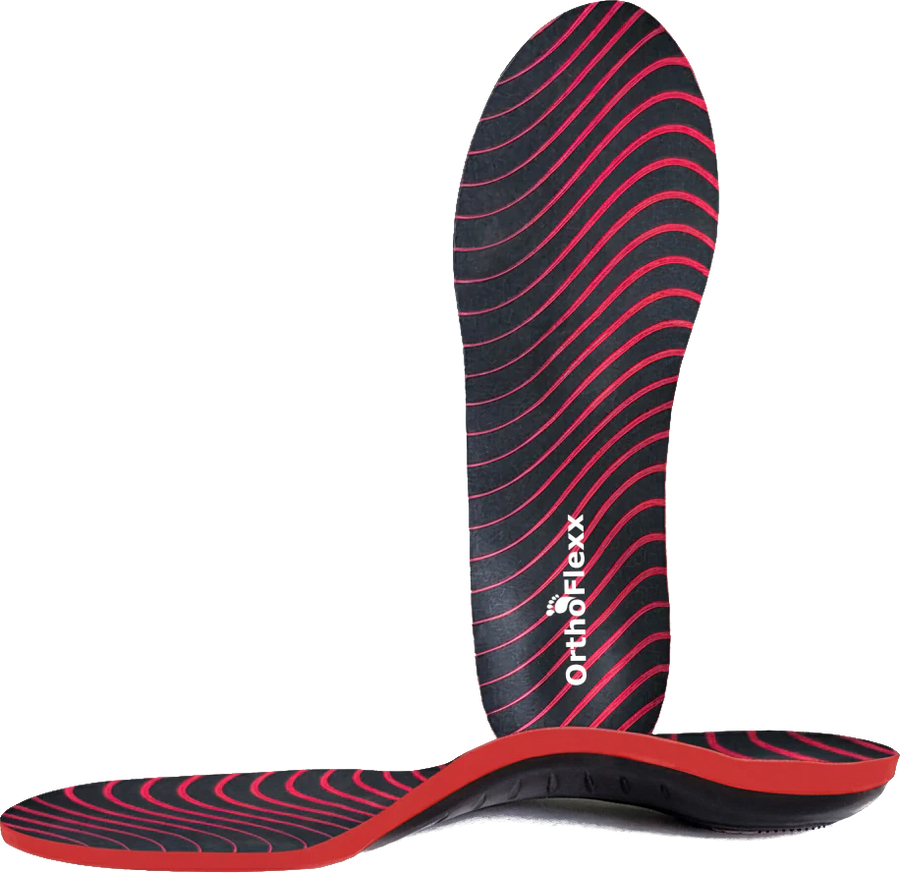
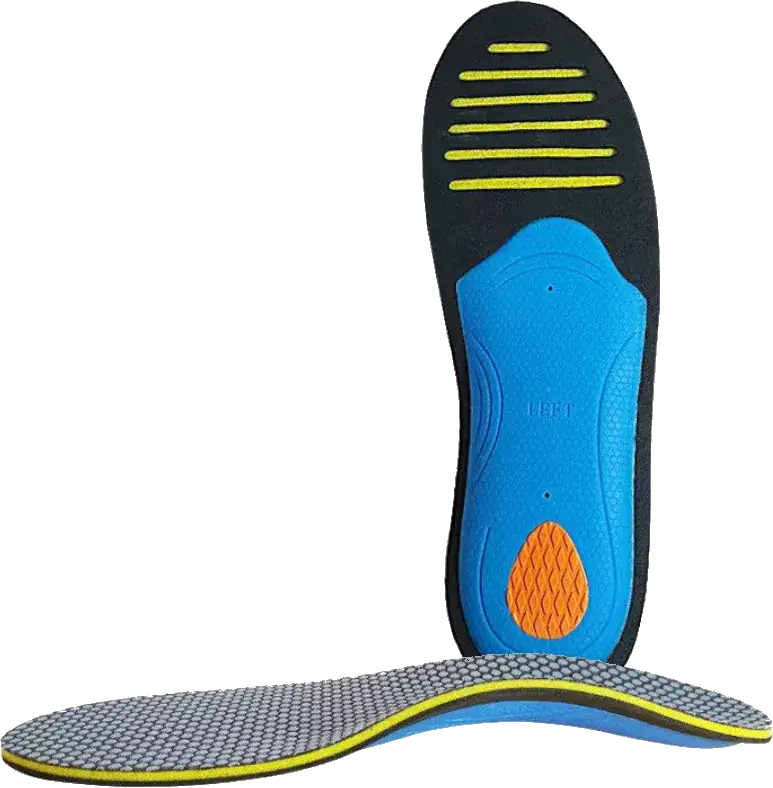
Foot support plays a big role. Shoes that are too flat, too soft, or worn out don’t support the arch properly, which forces the fascia to work harder. Over time, this can lead to irritation and small microtears, especially around the heel.
The Weight-Bearing Connection
Body weight is another factor worth mentioning. Carrying extra weight increases the load going through your feet with every step. It doesn’t mean it’s the only cause, but it does mean the plantar fascia is under more constant stress, which can contribute to pain over time.
At the same time, a lack of physical activity can also have an impact. When the muscles in your feet and legs are not regularly used, they tend to become weaker and less flexible. This reduces their ability to support your foot properly, placing more strain on the plantar fascia. Tight calf muscles are especially common and can increase tension on the heel.
Flat Feet, High Arches, and Tight Calves: The Mechanics of Pain

Another important factor is how your foot moves. People with flat feet or very high arches often place uneven pressure on the plantar fascia. Tight calf muscles can also play a big role. When your calves are stiff, they limit ankle movement, which increases the pull on the fascia with every step.
When "Doing More" Backfires
Changes in activity levels can also trigger symptoms. Doing more walking, standing for long periods, walking barefoot for long periods on hard surfaces or starting a new routine too quickly can overload the tissue if your body isn’t prepared for it.
Small Habits, Big Relief
If you’re dealing with this, small daily habits can make a difference. Gentle calf and foot stretches can reduce tension. Rolling your foot on a ball or a cold bottle can ease discomfort. Supportive footwear is essential, even at home, to reduce unnecessary strain.
Looking at your overall lifestyle can also help. Gradually increasing your activity levels and aiming for consistent movement can strengthen your feet and improve how they handle load.
When It's Time to Call in the Experts
If the pain doesn’t settle, getting guidance from a podiatrist or a physiotherapist can help you understand what’s contributing most in your case. With the right approach, recovery is absolutely possible, step by step.