



Is It Plantar Fasciitis or Tired Feet?
Sometimes, after a long day on your feet, it is hard to distinguish tiredness from foot pain. After spending several hours on your feet it is not unusual to feel aching and heaviness. However, there is a distinct difference between general foot fatigue and soreness and a specific condition like plantar fasciitis. Knowing what you are truly experiencing is the key to finding the relied you need.

If you spend long hours standing, walking, or wearing unsupportive footwear, the muscles in your arches and calves have to work extra to support your body weight throughout the day. At the end of the day, this typically feels like a dull ache spread evenly across the sole of your foot. This type of sensation usually eases up once you sit down, elevate your legs or after a good resting night of sleep.
Plantar fasciitis, on the other hand, is something different because it involves inflammation of the thick band of tissue that runs under your foot, from your heel to your toes. The sensation in a plantar fasciitis is more of a sharp, stabbing pain near your heel during the very first steps out of bed in the morning. Usually, throughout the day, as you walk around, the tissue warms up and some people experience some kind or relief. But only until it returns to the sharp pain, when you stand up after sitting for a while.
It is important to listen to your body and recognize the signs it gives you. This way you can act in the best way to deal with either tired feet or plantar fasciitis. If what you are feeling relates more to what was first described linked to fatigue, simple rest, elevating your legs and placing your feet in a warm bath can help muscle recover. Choosing supportive shoes with cushioned soles will also prevent muscles from overworking overtime, during daily activities.
If, on the other hand, what you are feeling sounds more like plantar fasciitis, targeted care is necessary. To start, gently rolling the arch of your foot over a cold bottle for five minutes can soothe irritation. Daily calf stretches and gently pulling your toes back toward your shin can also reduce tension on the inflamed band of tissue. It is important to not force on the pain and, if the pain does not seem to improve, seeking medical advice might be your best option.
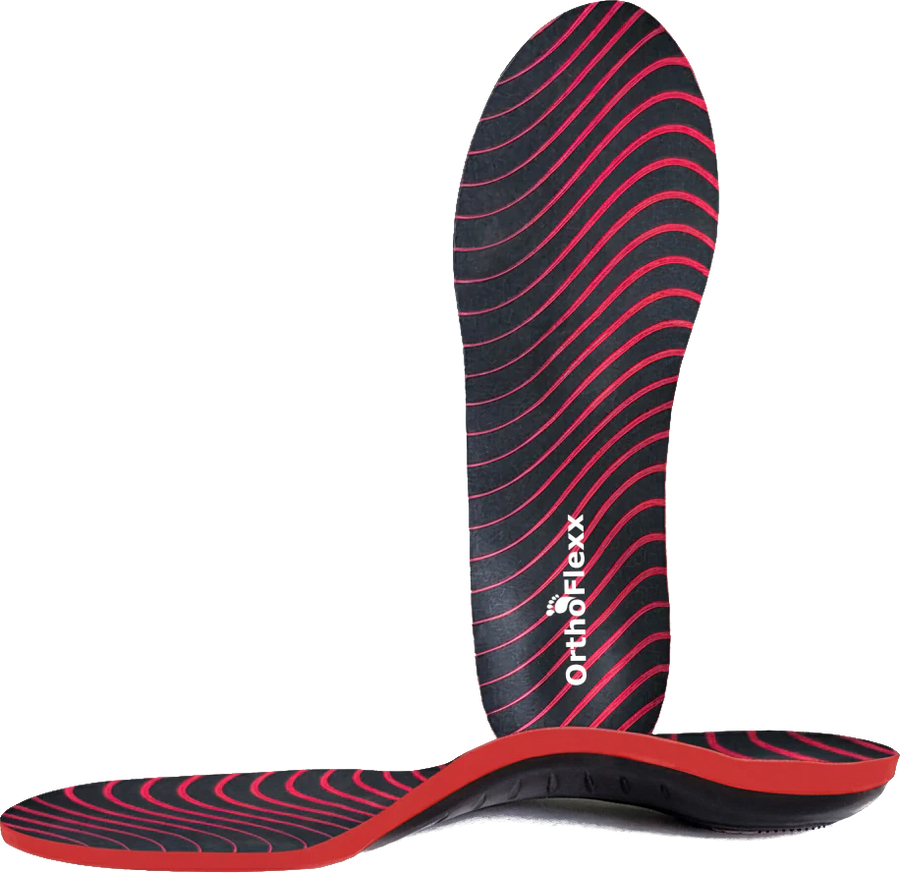
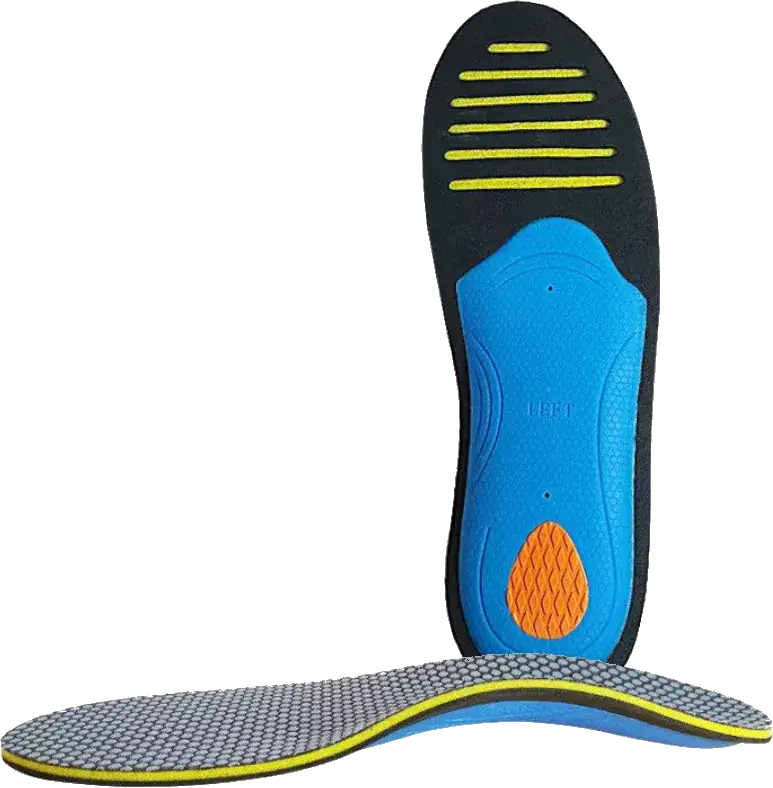
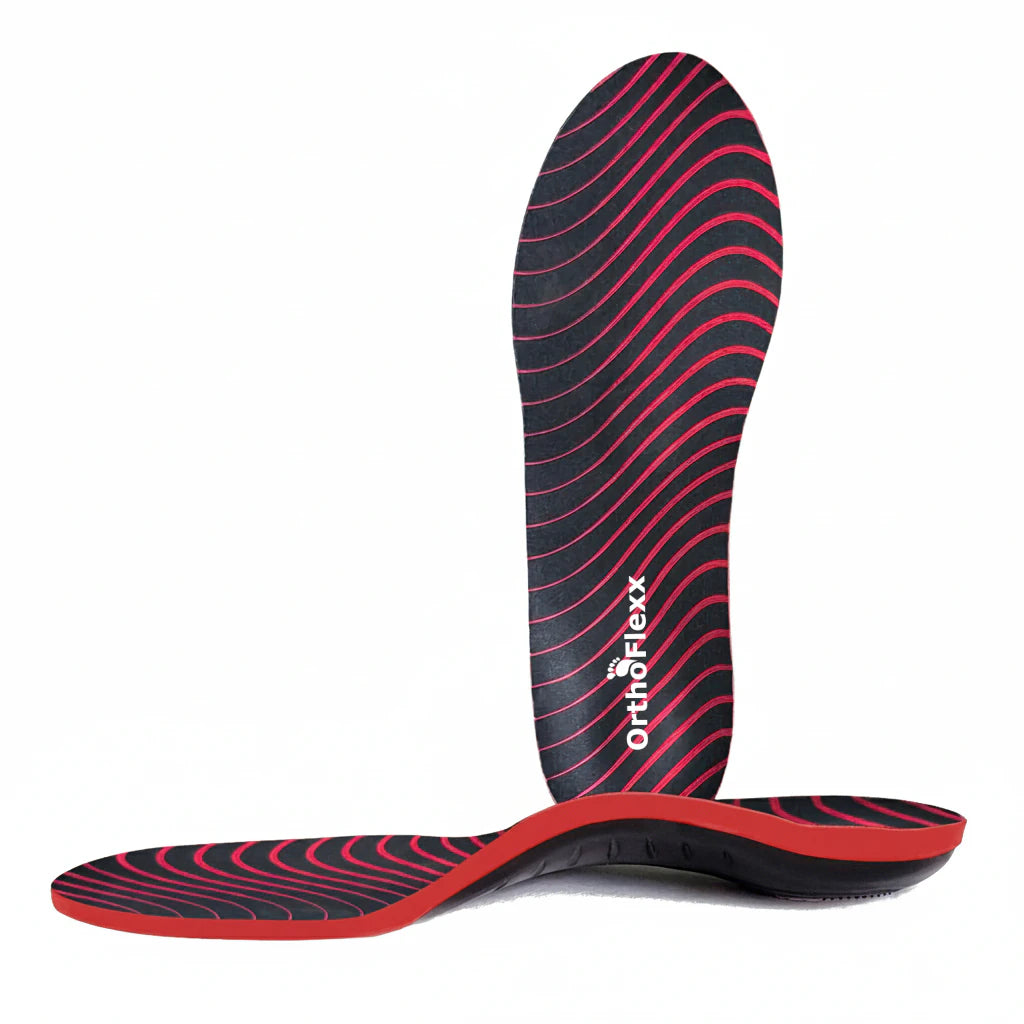
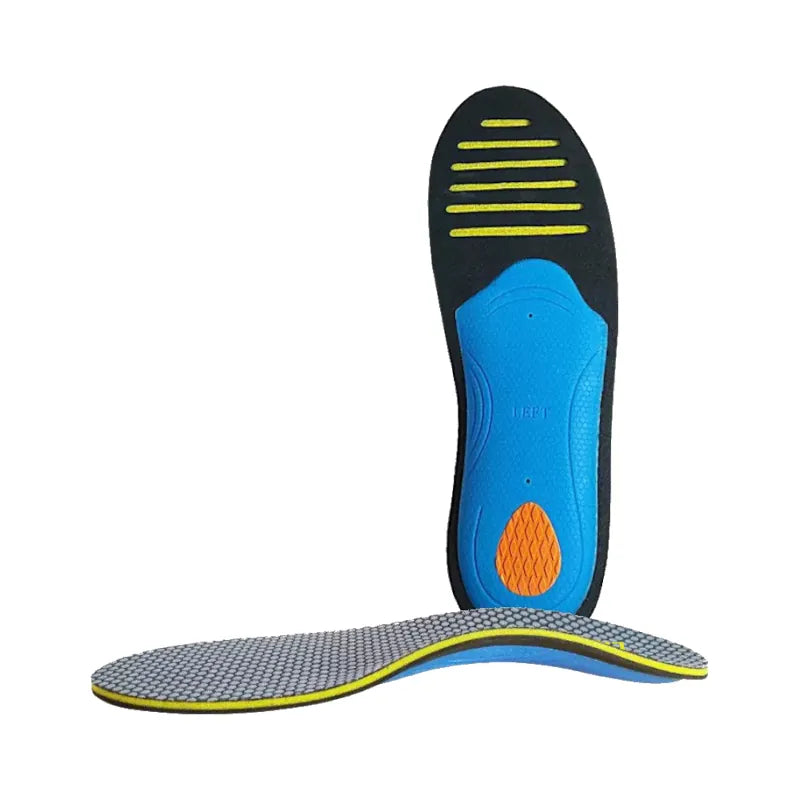
Switching to supportive shoes and adding insoles with firm arch support and cushioned heels will protect your feet regardless of the cause. Pay attention to what your feet are telling you, because ignoring constant pain can lead to longer recovery periods. And remember, if the pain persists, it might be thoughtful to consult a podiatrist or a physiotherapist for pain assessment and guidance. With gentle care and the right support, you can get back to moving comfortably every single day.