



Are Compression Socks Helpful for Plantar Fasciitis?
Following last week's discussion about night splints for plantar fasciitis, I thought it would be helpful to explore another product that is often recommended for heel pain: compression socks. Many people see athletes, coworkers, or friends wearing them and wonder whether they could help with plantar fasciitis too.
While compression socks can be beneficial in certain situations, it is important to understand what they can and cannot do when it comes to treating plantar fasciitis. The short answer is that compression socks may provide some relief for certain people, but they are not a cure for plantar fasciitis.
How Do Compression Socks Work?
Compression socks work by applying gentle pressure around the foot and lower leg. This pressure may help improve circulation, reduce mild swelling, and provide a feeling of support. Many people report that their feet feel more comfortable while wearing them, particularly during long periods of standing or walking.
What Does the Research Say?
When we look at the academic literature, the evidence is mixed. Some studies suggest that compression garments can reduce discomfort and improve perceived support during activity. However, there is currently limited high-quality research showing that compression socks directly treat plantar fasciitis or significantly improve long-term outcomes. Most experts agree that while compression socks may help manage symptoms, they should be considered a supportive tool rather than the main treatment.
When Can They Be Useful?
In my clinical experience, compression socks can be useful if your feet feel tired, achy, or slightly swollen throughout the day. They may also provide temporary relief during work or exercise. However, if the underlying causes of plantar fasciitis are not addressed, the pain often returns.
What Works Better?
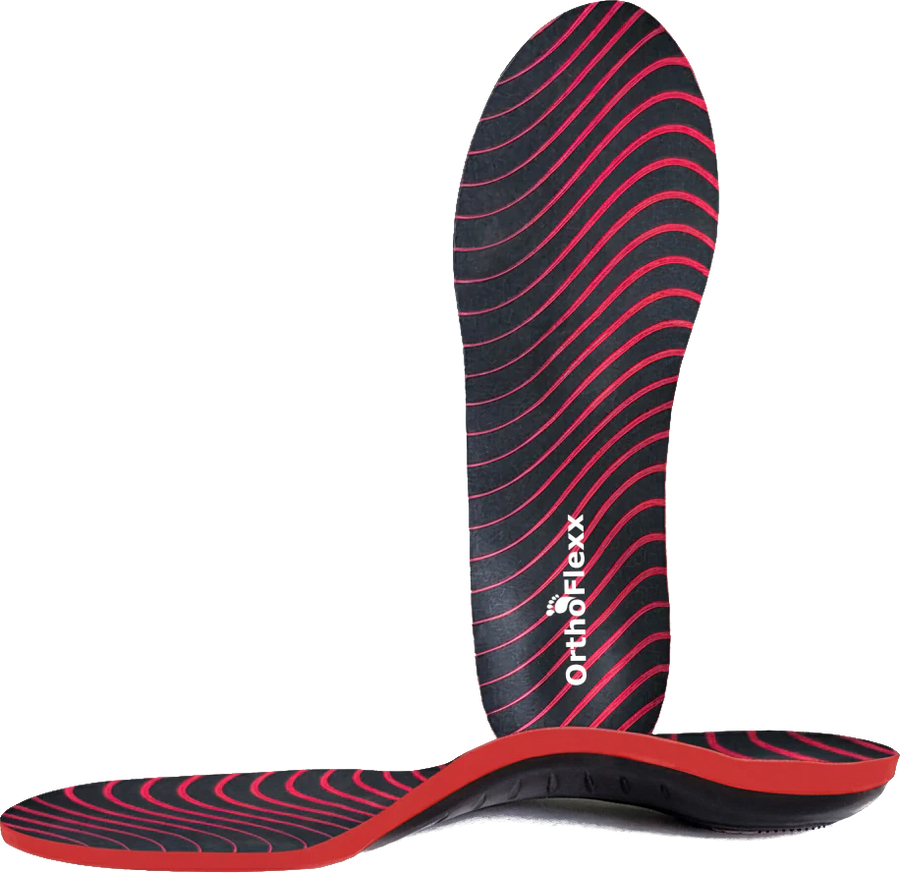
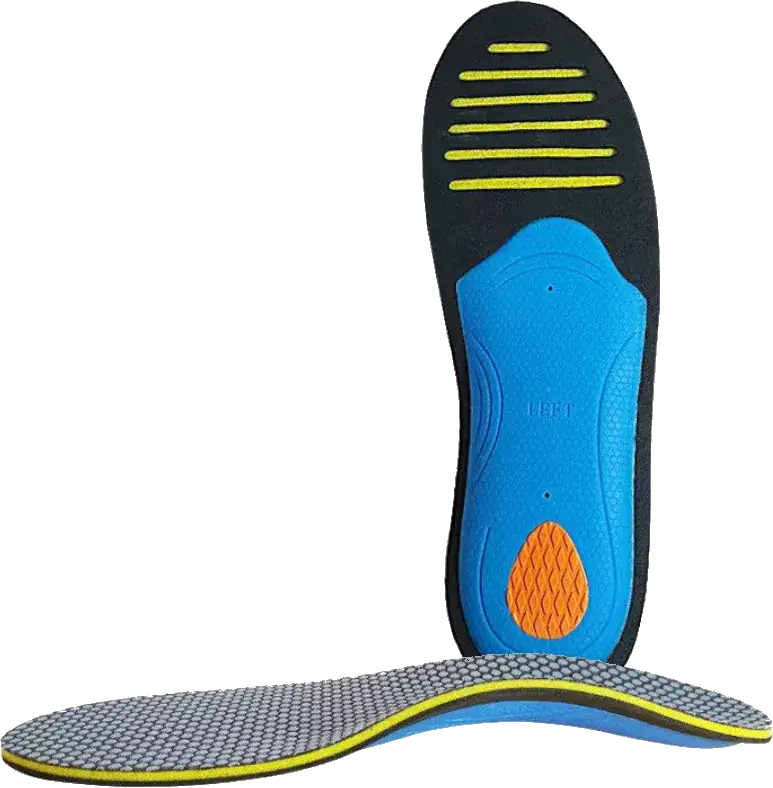
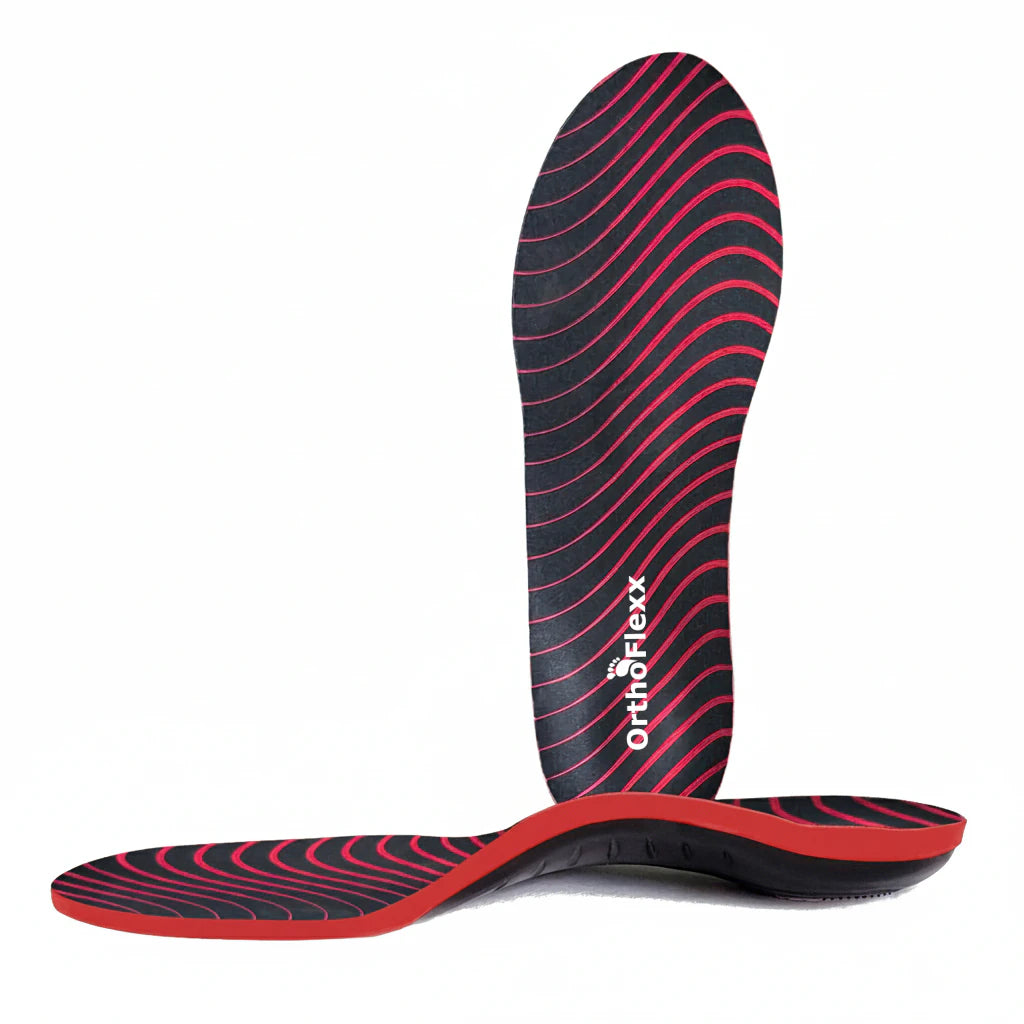
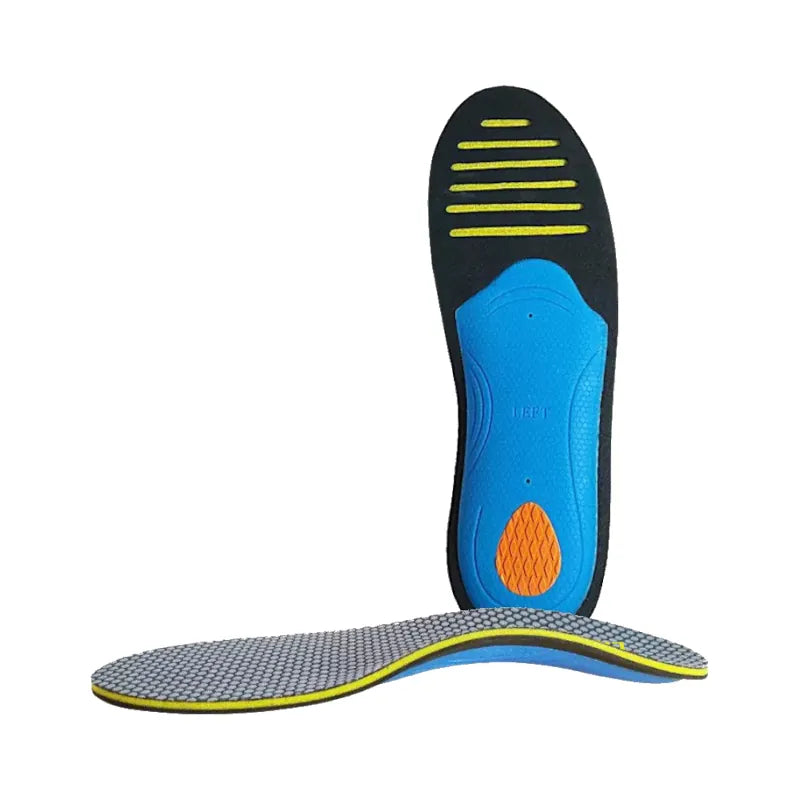
The treatments that consistently show better results include stretching the calf muscles and plantar fascia, strengthening the foot and lower leg muscles, improving footwear, and gradually managing activity levels. Supportive shoes with high quality insoles, with good cushioning and arch support are often more important than compression socks alone.
Choosing the Right Compression Socks
If you decide to try compression socks, choose a comfortable pair that fits properly without feeling excessively tight. They should support your foot without causing numbness or discomfort.
The Bottom Line
Ultimately, compression socks can be a helpful addition to your recovery plan, but they work best when combined with exercises, proper footwear, and addressing the factors that contributed to your plantar fasciitis in the first place. If your pain persists or continues to worsen, consider seeking advice from a physiotherapist or podiatrist. With the right approach, most people can successfully manage plantar fasciitis and return to the activities they enjoy.