



What is heel fat pad syndrome and how do I treat it?
Heel fat pad syndrome is a condition I see fairly often in clinic, and it can be incredibly painful. Unlike plantar fasciitis, which affects the tissue along the bottom of your foot, heel fat pad syndrome involves the fatty cushioning under your heel. This fat pad acts like a natural shock absorber, and when it becomes compressed, thinned, or irritated, every step can feel like walking on a bruise.
Why it happens (and why it lingers)
The main problem is that the fat pad is delicate and slow to recover. High-impact activities, worn-out shoes, or sudden increases in weight-bearing stress can trigger or worsen symptoms. While some of the advice overlaps with plantar fasciitis, such as reducing load, stretching calves, and improving foot mechanics, the recovery for a fat pad injury tends to focus more on cushioning and protecting the heel.
Cushioning first: protect the heel
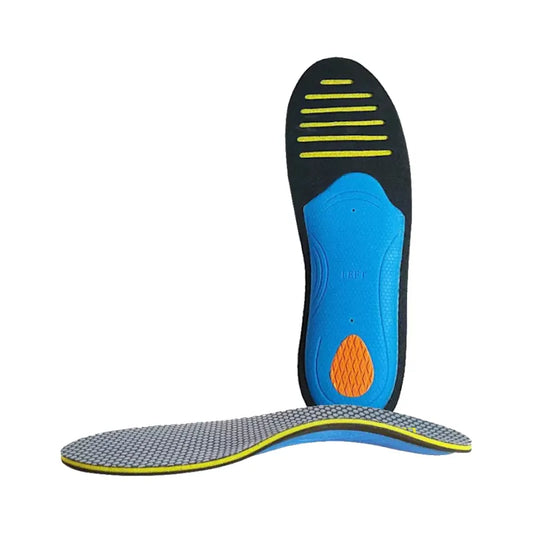
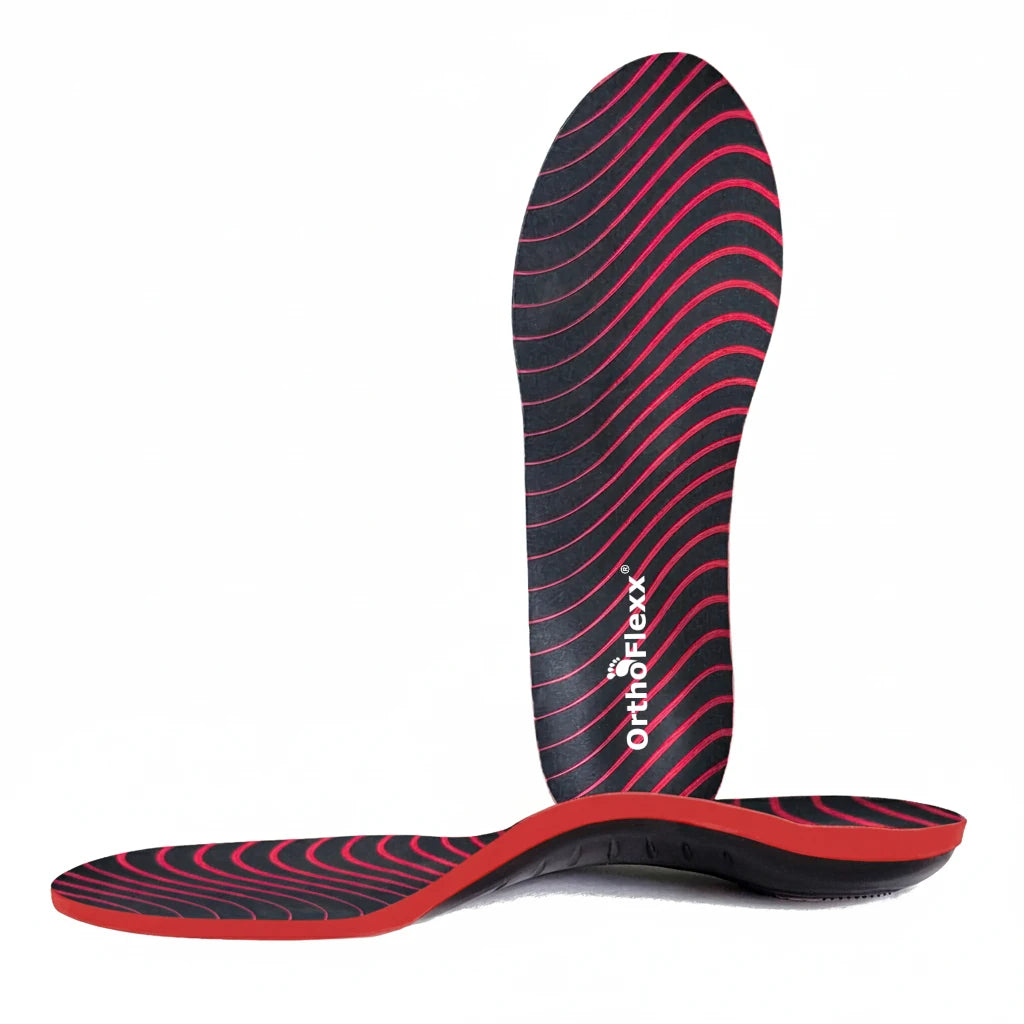
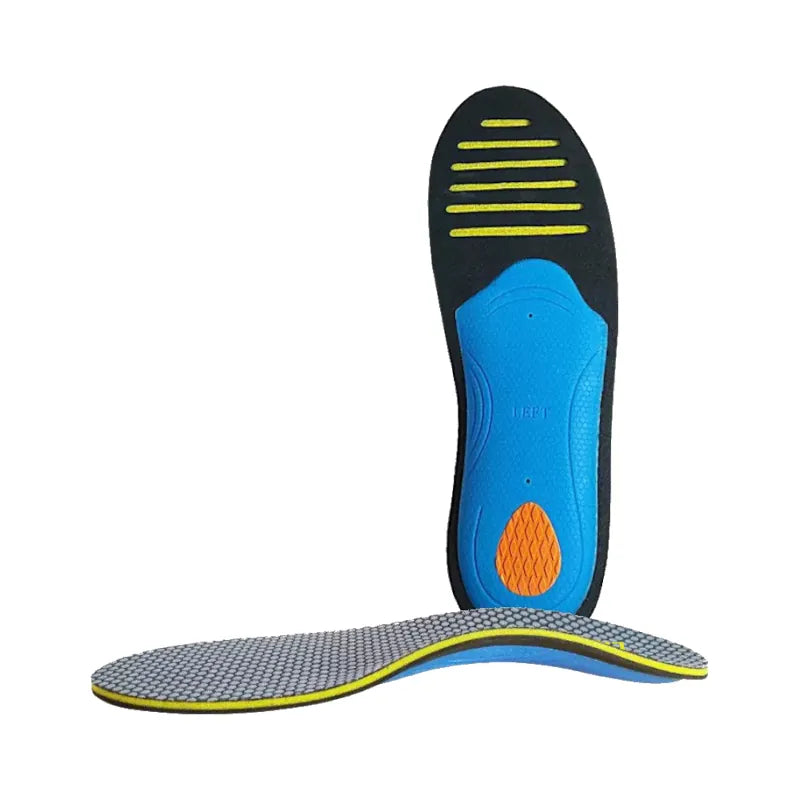
Supportive footwear is essential. Shoes with a thick, soft midsole or specialized heel cups can help reduce pressure on the pad. Custom or high-quality insoles that offer targeted heel cushioning often make a noticeable difference, especially for long days on your feet. Gradually reintroducing activity is key. Avoid running or jumping until the pain settles, and consider lower-impact options like cycling or swimming in the meantime. Gentle stretching of the calf and Achilles tendon can relieve tension that indirectly stresses the heel, but avoid stretching the heel pad itself too aggressively.
Build resilience: strength and flexibility
Strengthening foot muscles and maintaining overall lower limb flexibility can also help reduce recurrence over time. Rolling a ball under the arch or doing toe curls can improve foot mechanics and support. Recovery takes patience; the fat pad may need several weeks of protection before it can tolerate normal activity without discomfort.
The long game: steady progress, lasting relief
Heel fat pad syndrome can be stubborn, but with the right combination of cushioning, load management, and gradual strengthening, most people see meaningful improvement. If the pain persists or keeps coming back, it’s worth having a physiotherapist or podiatrist assess your feet and gait to ensure your mechanics aren’t putting extra stress on the heel. Taking care of your feet now helps you stay active and prevents frustration in the future.