



How can I tell my foot type and why it matters?
Curious whether your feet are flat, neutral, or roll inward or outward? You’re not alone, and it can make a big difference in comfort and movement. As a physiotherapist, I often get asked how to tell what type of feet someone has and why it matters. Understanding your foot mechanics is key because it affects not just your arches, but your ankles, knees, hips, and lower back.
Knowing your foot type can guide:
- Your choice of footwear
- Whether you might benefit from insoles
- Which exercises help prevent discomfort or injury
The main foot types explained
- Flat feet happen when the arches are lower than usual or completely collapsed. The arch acts like a natural spring, helping absorb shock and support balance.
- When the arch is weak or missing, your feet may roll inward excessively, a pattern called overpronation. Overpronation can strain muscles and joints along the leg, causing arch pain, heel discomfort, or even knee problems.
- On the other end, oversupination, or underpronation, happens when the foot rolls outward too much. This reduces natural shock absorption and increases the risk of ankle sprains, shin splints, or stress fractures.
- Neutral feet are in between, supporting your weight effectively without excessive rolling in or out.
How to check your foot type at home
There are a few ways to get a sense of your foot type at home. Observing shoe wear is one clue: wear on the inside edges usually indicates overpronation, while wear on the outside edges suggests oversupination. A simple wet test can also help: wet your foot and step onto paper or cardboard. If almost the entire footprint shows, you may have flat feet. A narrow midfoot imprint typically indicates neutral arches.
Choosing the right support
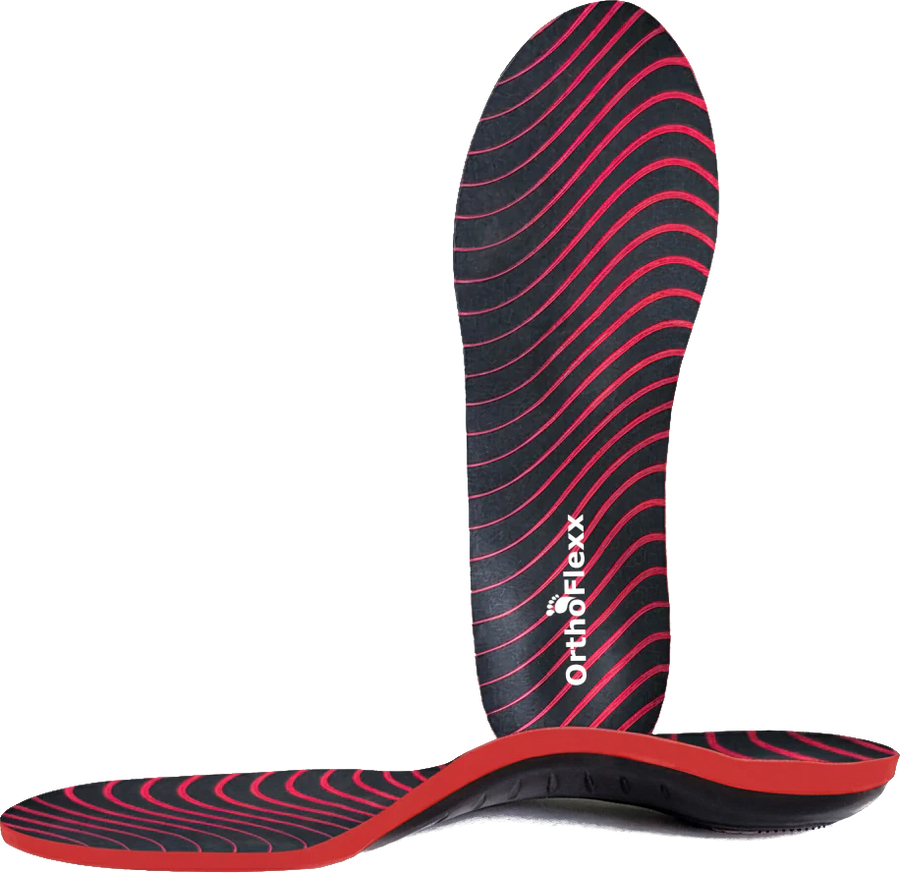
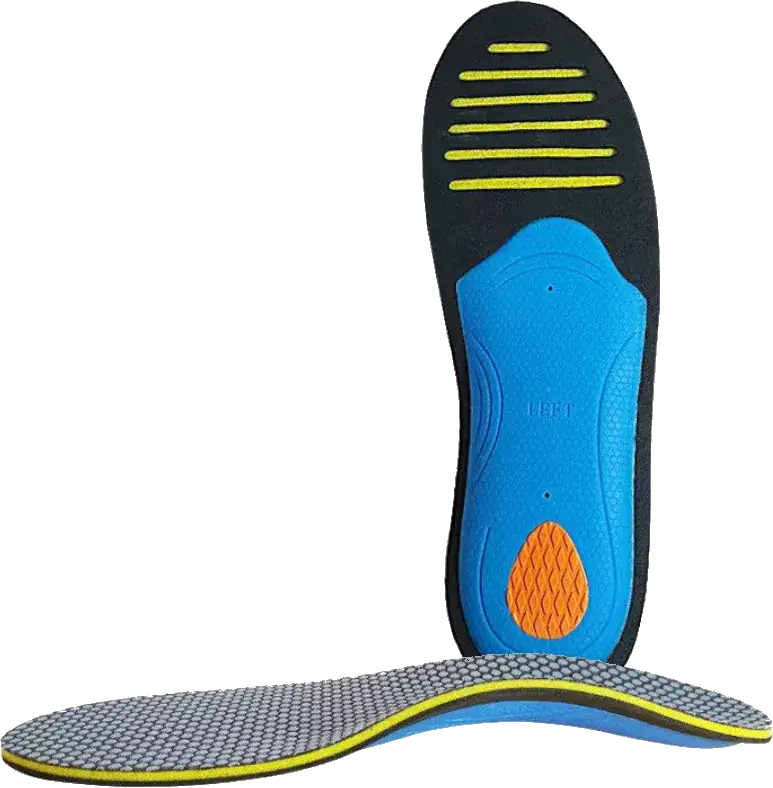
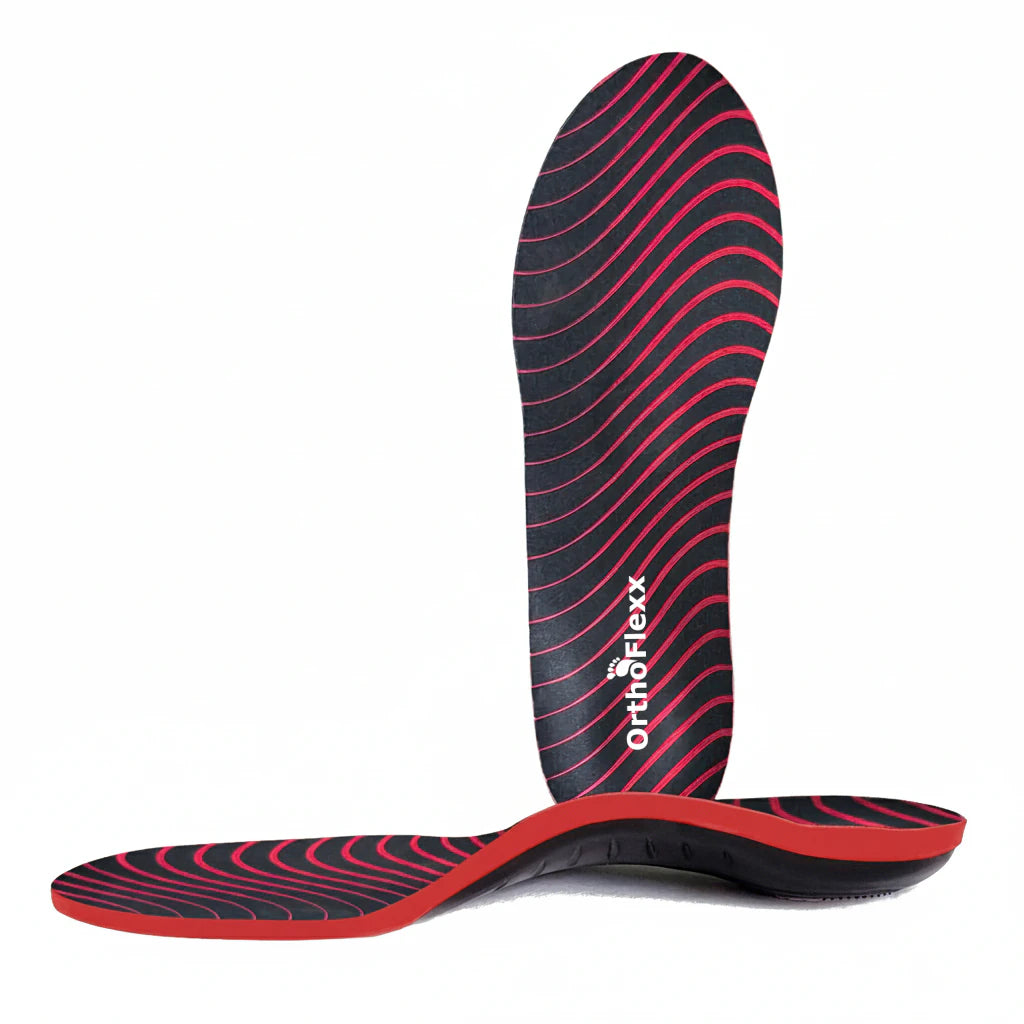
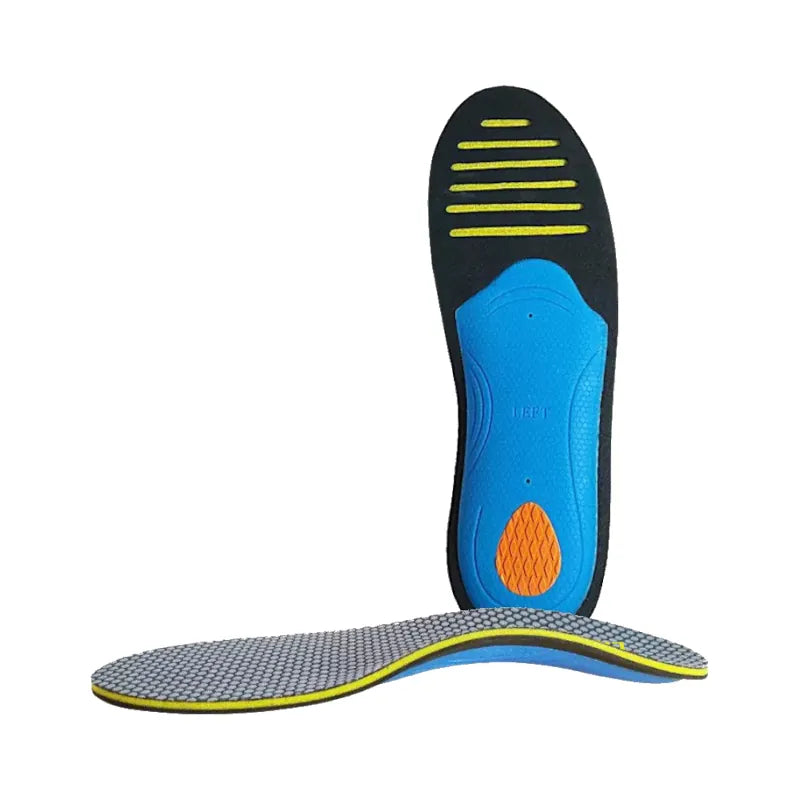
Knowing your foot type matters because it guides the support your feet need. Shoes with firm arches and stable heels help overpronators, while cushioned, flexible shoes can help oversupinators absorb impact better. Strengthening foot and calf muscles improves alignment and endurance over time, and stretching tight calves or Achilles tendons eases tension. Supportive insoles can also make a big difference, even in shoes that feel comfortable but aren’t built for your mechanics.
When to seek professional help
Foot mechanics are very individual, so what works for one person may not work for another. If you’re unsure about your foot type or are experiencing pain, a physiotherapist or podiatrist can assess your gait and recommend the best support. Taking care of your feet is an investment in comfort, stability, and long-term mobility and injury prevention.