




Who is most at risk for plantar fasciitis?
How come some people develop plantar fasciitis while others don't?
My name is Diana and I've been working as a physiotherapist, with people with musculoskeletal injuries for the past 8 years. Lately I've been focusing my practice in foot and akle injuries. Plantar fasciitis is one of the most common causes of heel pain, and for many, it appears almost out of nowhere. A large scientific review published in the British Journal of Sports Medicine (DOI: 10.1136/bjsports-2015-094695) looked closely at all the available research to understand what really increases the risk.
What the science actually says about who’s at risk
The review found that a higher body mass index (BMI) was the strongest and most consistent risk factor for developing plantar fasciitis. In other words, being overweight significantly raises your chances of developing plantar fasciitis, especially if you’re not very physically active. This makes sense from a mechanical point of view. The plantar fascia—a thick band of tissue under your foot—acts like a shock absorber every time you walk or stand. When there’s more body weight pressing down, that tissue has to handle greater strain with each step, which can eventually lead to small tears, inflammation, and pain.
When every step adds up to damage
In other words, being overweight significantly raises your chances of developing plantar fasciitis, especially if you’re not very physically active. This makes sense from a mechanical point of view. The plantar fascia—a thick band of tissue under your foot—acts like a shock absorber every time you walk or stand. When there’s more body weight pressing down, that tissue has to handle greater strain with each step, which can eventually lead to small tears, inflammation, and pain.
Why inactivity can make things worse, not better
Interestingly, the study also pointed out that this relationship between body weight and plantar fasciitis was most evident in non-athletic populations. In athletes, other factors such as sudden changes in training intensity, poor footwear, or hard surfaces may contribute more. For people who aren’t regularly active, prolonged standing or walking on hard floors can become a daily stressor on the fascia, gradually leading to irritation.
Not all feet are built the same
Foot mechanics also play a role. People with flat feet or very high arches tend to experience uneven weight distribution, which adds extra tension to certain areas of the plantar fascia. Tight calf muscles or limited ankle mobility can increase that tension even more.
What increases strain on your feet (at a glance)
- Higher body weight → more pressure with every step
- Low activity levels → weaker support structures
- Long hours standing on hard surfaces
- Flat feet or high arches → uneven load distribution
- Tight calves → increased pull on the plantar fascia
- Limited ankle mobility → reduced shock absorption
Simple changes that reduce pressure instantly
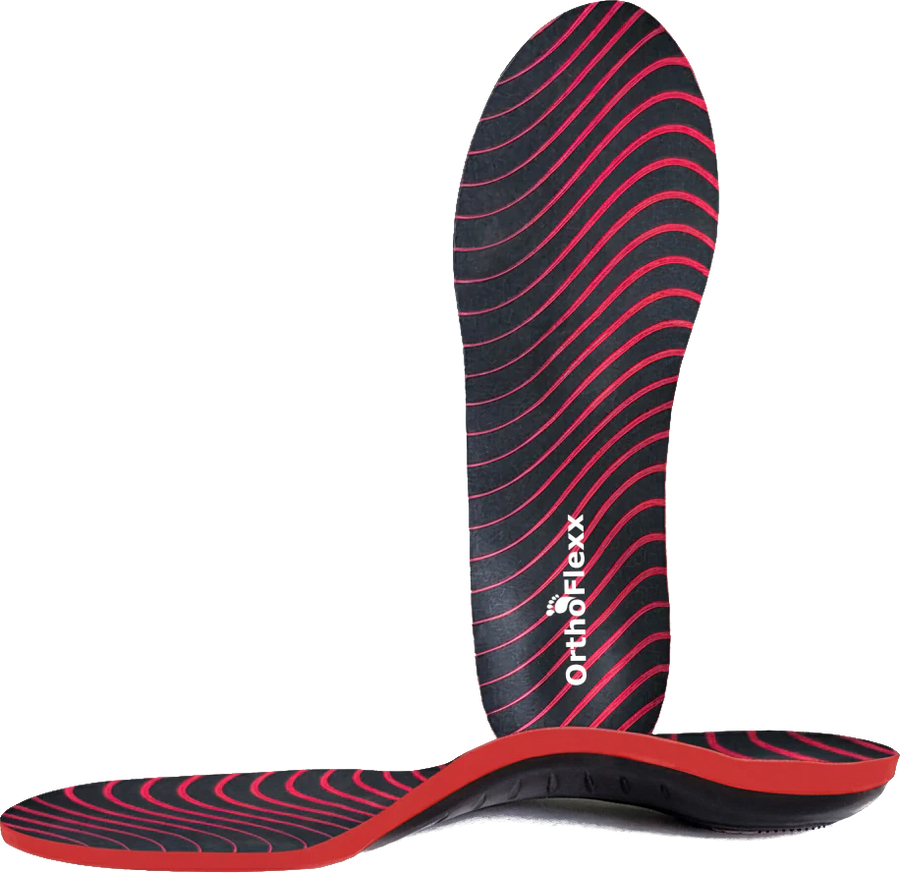
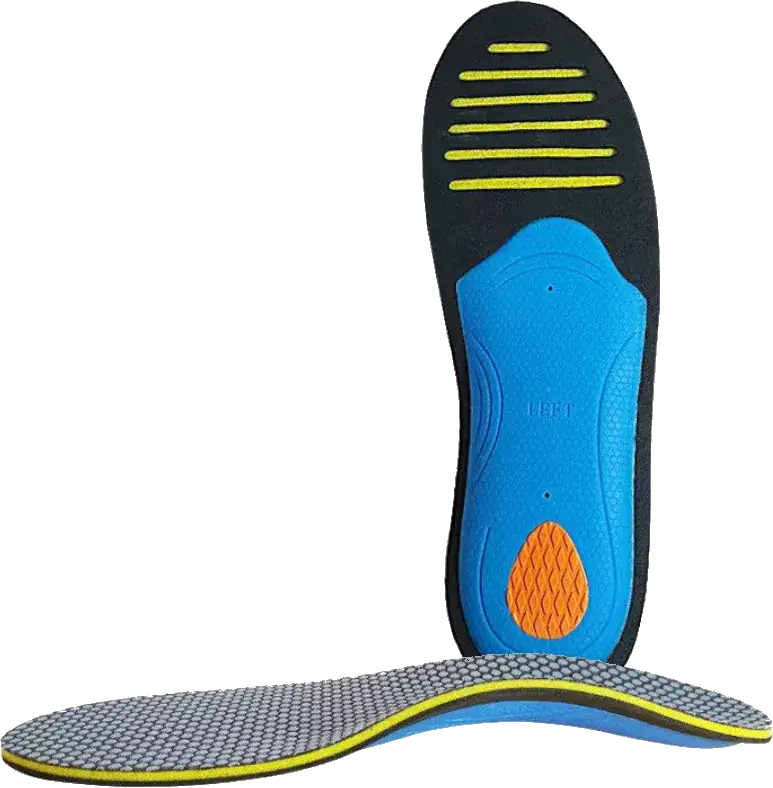
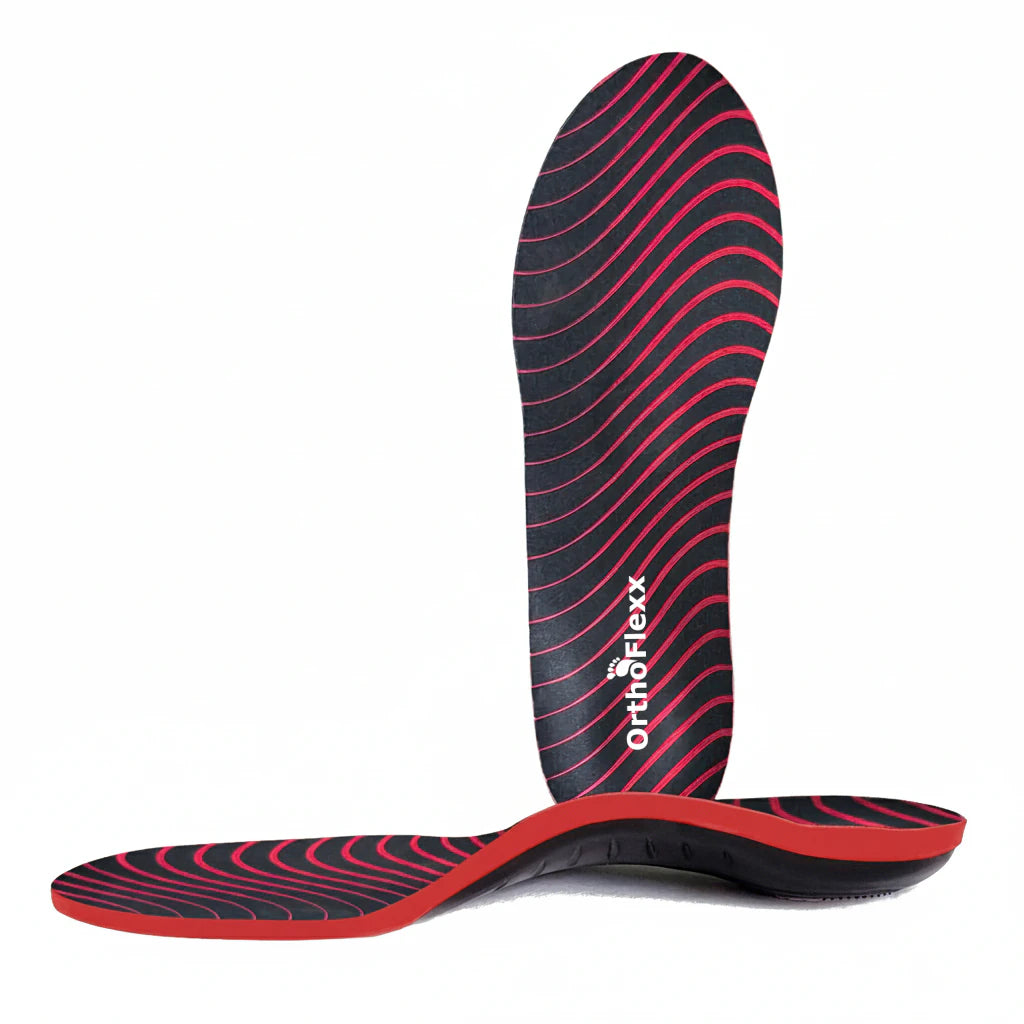
If you’re noticing early signs of heel or arch pain, small changes can make a big difference. Supportive shoes or quality insoles that cradle your arch and cushion your heel help reduce strain. Gentle stretches for your calves and the sole of your foot can improve flexibility, while rolling your foot over a cold bottle can calm irritation. Gradual weight loss, even a few kilograms, can significantly reduce pressure on your feet and improve recovery. Keep the word "gradual" in mind, as said before, a sudden increase of activity can also contribute for more pain.
What your feet have been trying to tell you
Plantar fasciitis can be stubborn, but with patience and consistent care, most people improve. The key is to understand what’s causing the strain on your feet and take steps—literally—to ease it. If your pain doesn’t settle, a physiotherapist can assess your movement and help you find the best way forward. Your feet carry you everywhere; they deserve a bit of care in return.