



What's the Worst Thing You Can Do for Plantar Fasciitis?
Today I want to go over some of the things you really shouldn’t be doing if you’re dealing with plantar fasciitis, heel pain, or foot pain in general. Many of the habits that keep this condition going are part of everyday routines, which is why they’re so easy to overlook.
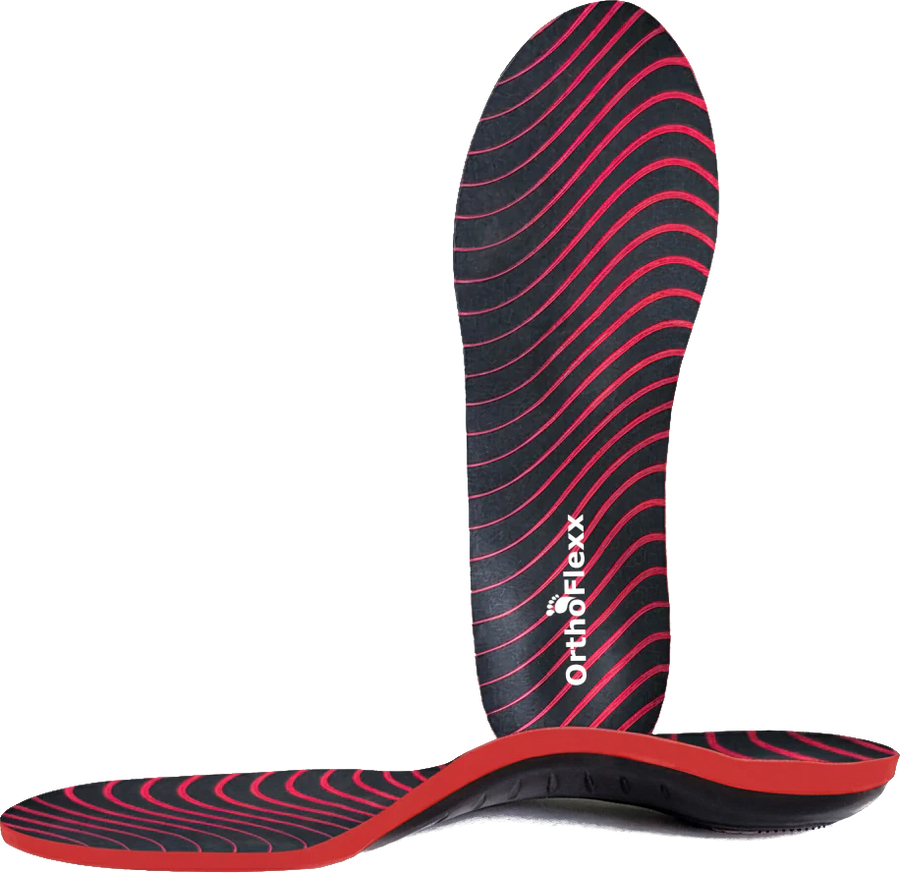
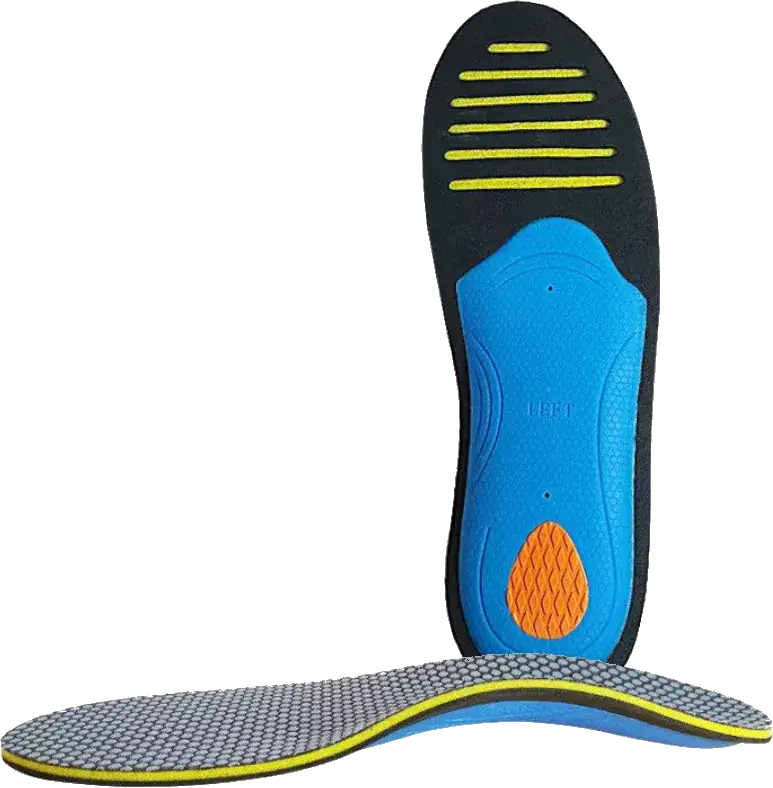
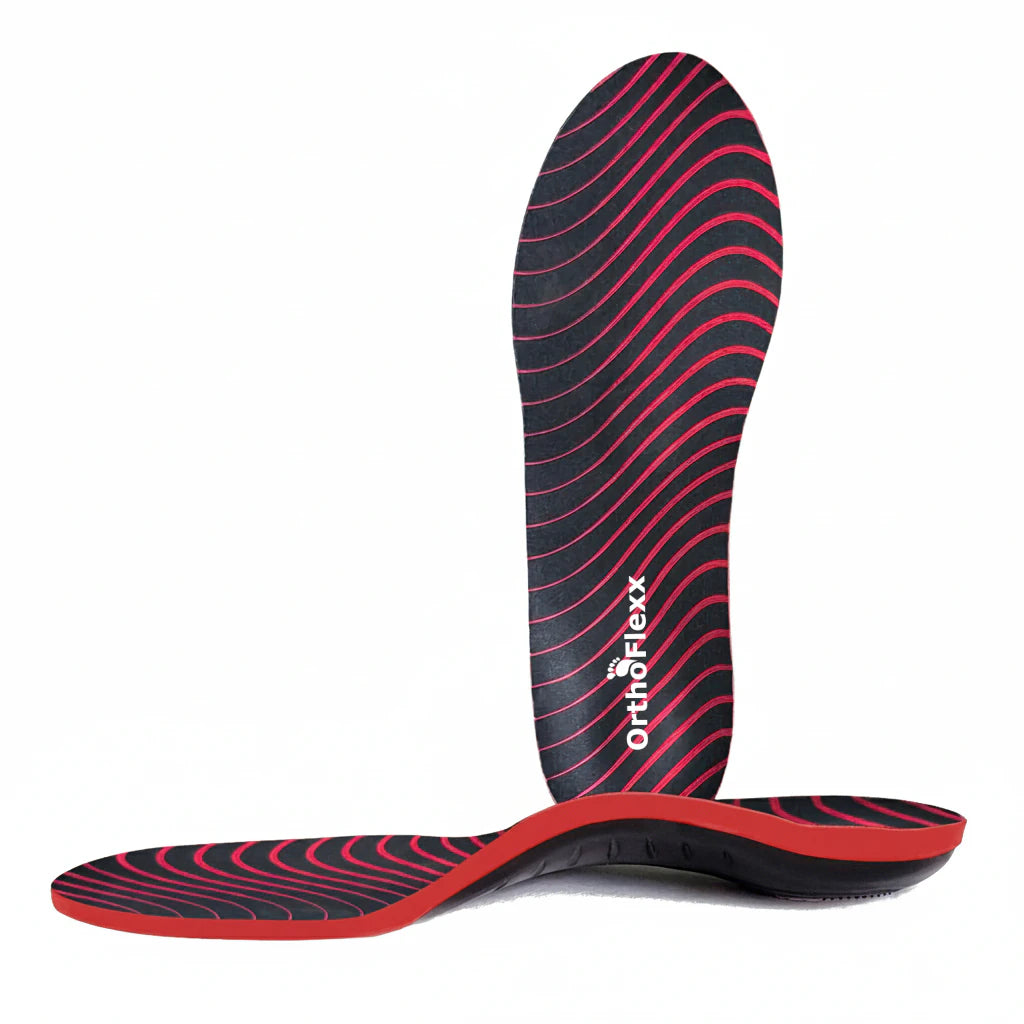
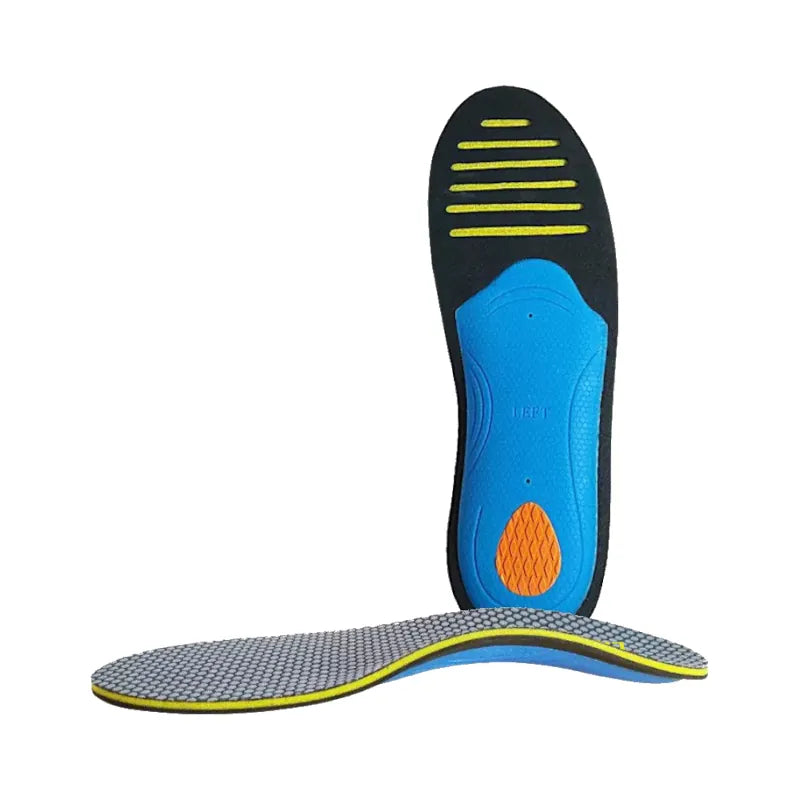
One of the most common mistakes is spending long periods walking barefoot, especially on hard floors. Without support, your arch drops slightly with each step, increasing the load on the plantar fascia. Even at home, wearing supportive shoes or insoles can make a real difference.
Pushing through pain is also something that tends to slow recovery. Continuing activities like running, jumping, or standing for long hours without making adjustments keeps the tissue under constant stress. The foot needs a bit of relief from that load to start healing.
Footwear plays a bigger role than most people think. Flat, worn-out, or overly soft shoes don’t provide the support your foot needs. This forces the plantar fascia to work harder with every step. Choosing shoes with good structure and support or adding some well supported insoles can reduce that strain significantly.
Another issue is waiting too long to get help. It’s very common to hope the pain will settle on its own, but in many cases, it persists or gradually worsens. Getting the right guidance early can help you understand what’s causing the problem and how to address it properly.
Tight calf muscles are another factor that often gets ignored. When the calves and achilles tendon are stiff, they increase tension on the heel. Simple daily stretching can ease that pull and help your foot handle load more comfortably.
Most of the time, it’s not just one thing causing the problem but a combination of small habits. The encouraging part is that once you start changing them, your symptoms can begin to settle. A good first step is to see a specialist, who can guide you the best way, with a good analysis of your feet.
If your body is sending signals, listen to it, take a step back and give your it time to respond. Small changes, done consistently, can make a big difference.