



I’ve Had Flat Feet Forever, So Why the Pain Now?
Many people live with flat feet their entire lives without any discomfort, and then suddenly, in their 50s or 60s, pain starts to appear. It can feel confusing and even a bit unfair. If your feet were fine for decades, why now?
It's Not Just Age
The truth is that it’s not only about age, although age can play a role. Over time, the structures that support your feet begin to change. Tendons, especially the ones helping holding up your arch, can gradually weaken or lose elasticity. Muscles may not be as strong as they once were, and joints can become a bit stiffer. These changes happen slowly, but eventually they can reach a point where your body starts to feel the strain.
Decades of Steps, All Adding Up
Another important factor is cumulative load. Years of walking, standing, working, and daily life add up. If your feet have been compensating for a flatter arch for decades, they may simply be reaching a tipping point where they can no longer manage that load as efficiently, and that's when the symptoms start to appear.
Tiny Changes Tip the Balance
What can also play a role is slight increase in daily walking, spending more time on your feet, gaining a bit of weight, or even switching to different shoes can be enough to shift how forces move through your feet. These changes might seem minor on the surface, but for a foot that has been compensating for years, they can be the trigger that brings symptoms to the surface. It’s not that something suddenly “went wrong,” but rather that the balance your body was maintaining has been slightly disrupted.
Pain from flat feet often shows up in the arch, heel, ankle, or even further up in the knees or hips. It’s your body’s way of saying it needs more support or a bit of relief.
What Helps?
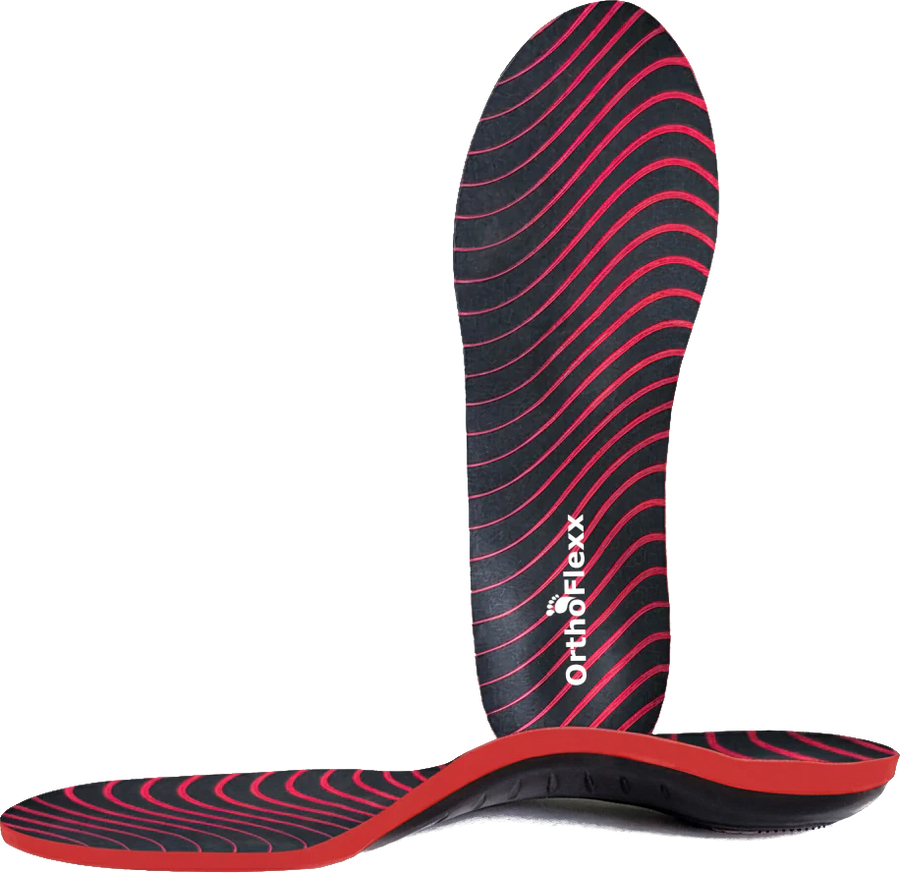
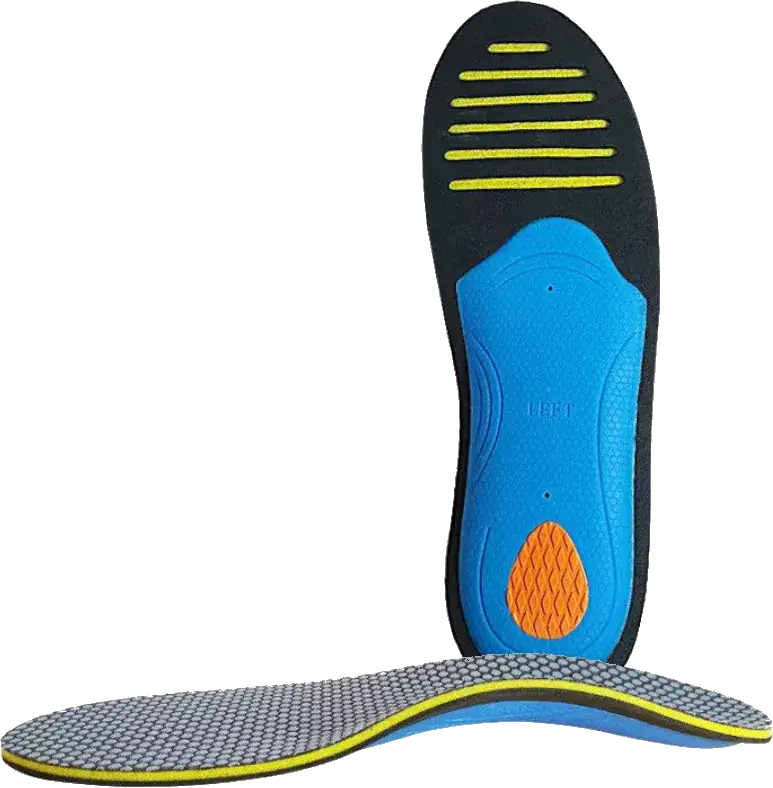
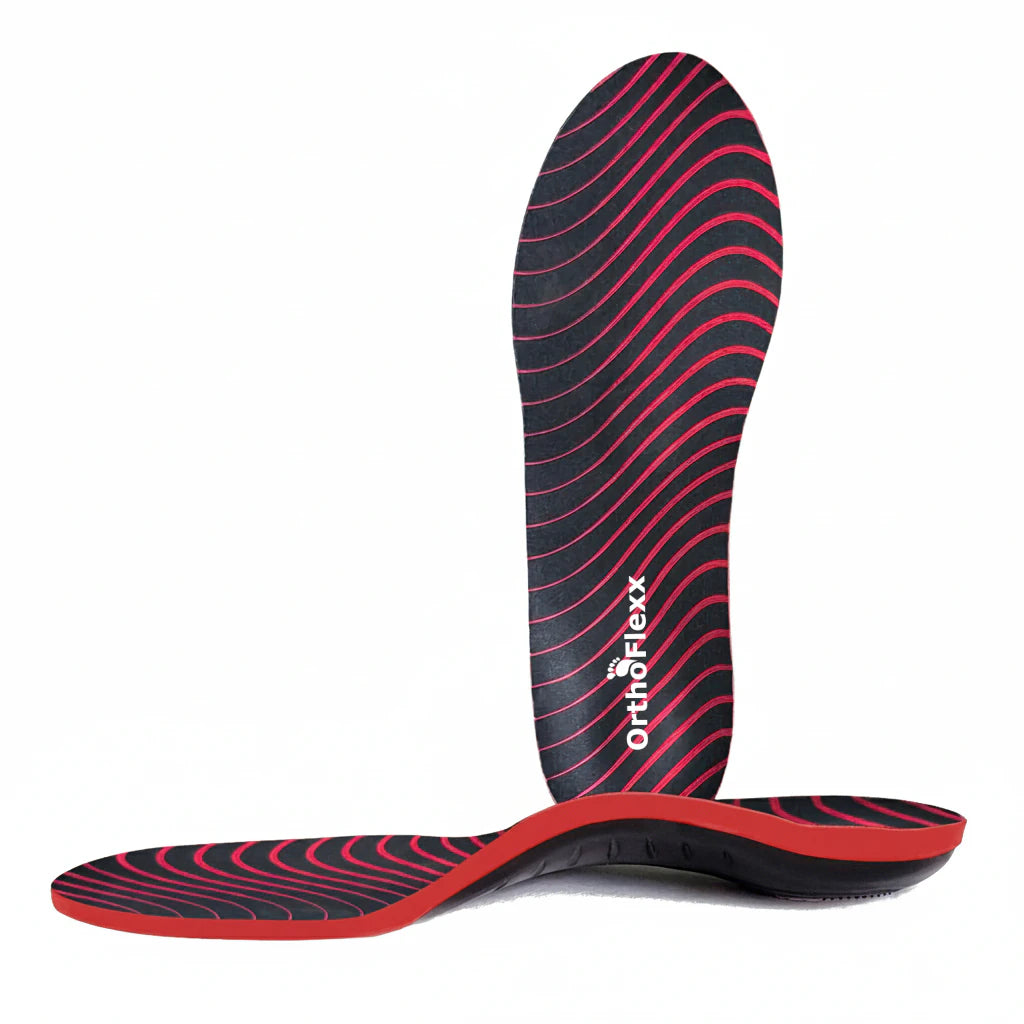
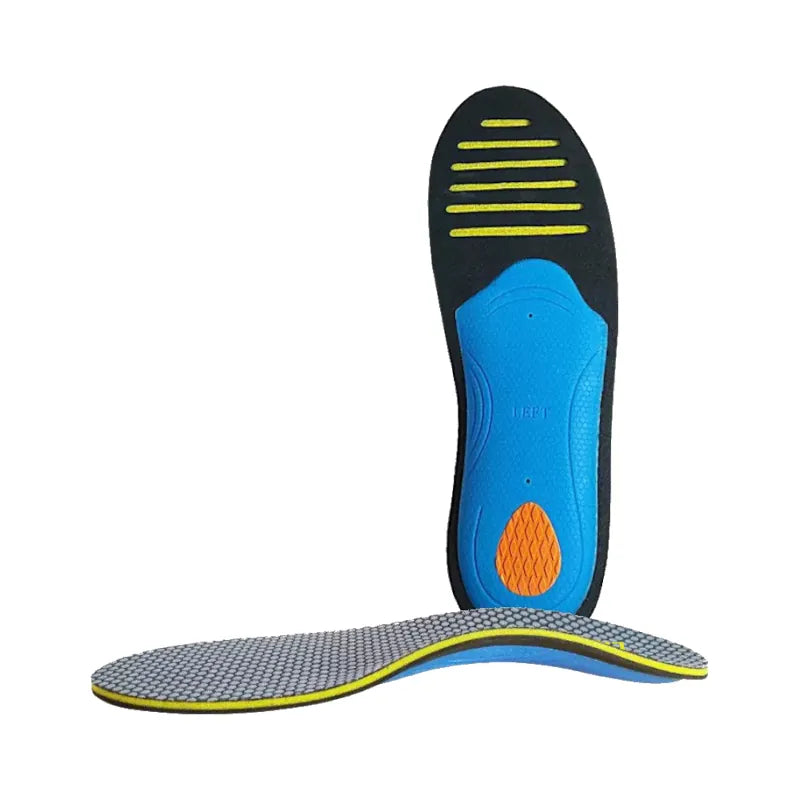
There are a few simple things that can help. Supportive footwear is key. Shoes with a firm sole and good arch support can reduce the strain on your feet. If your current shoes are very flat or worn out, changing them can make a noticeable difference. Insoles can also help provide extra support and improve comfort.
Just 2 Minutes a Day
Gentle exercises are another great step. Strengthening the small muscles in your feet and improving calf flexibility can reduce stress on the arch. Simple movements like calf stretches, heel raises, or rolling a ball under your foot for a few minutes a day can be surprisingly effective. Keeping an active and healthy life is also a good strategy to prevent future issues.
When to Call In a Professional
Rest and pacing your activities also matter. If the pain has recently appeared, giving your body some time to adapt can prevent it from getting worse.
If the discomfort continues or worsens, it’s worth getting assessed by a professional. Often, a few targeted adjustments can make a big difference. Seek help from a podriatist or a physiotherapist, they'll know how to guide you in this journey.
If you’re experiencing this, you’re not alone. Your body is simply adapting to changes over time, and with the right support, you can absolutely get back to moving more comfortably.