



How Are Heel Spurs and Plantar Fasciitis Connected?
It is very common for people with plantar fasciitis to eventually develop a heel spur as well. I have seen many people combining these two conditions. Today, I want to explain why these two conditions are so closely connected and why having a heel spur does not always mean it is the true source of your pain.
Plantar fasciitis is one of the most common causes of heel pain. It happens when the plantar fascia, the thick band of tissue running along the bottom of the foot, becomes irritated and inflamed. This tissue supports the arch and absorbs stress during walking and standing. When too much tension is placed on it over time, small tears and inflammation can develop, leading to pain, especially first thing in the morning or after long periods of rest.
A heel spur is different. It is a small bony growth that forms on the heel bone over time due to repeated pulling and stress where the plantar fascia attaches. In many cases, heel spurs develop because the plantar fascia has been under strain for a long time. This is why the two conditions are often seen together.
However, having a heel spur does not automatically mean you will have pain. I’ve seen many patients with large heel spurs on X rays who feel no discomfort at all. In most cases, the pain comes from the inflammation of the plantar fascia rather than the spur itself.
Several factors can increase the risk of developing plantar fasciitis and heel spurs. Wearing unsupportive shoes, standing for long hours, carrying excess body weight, tight calf muscles, or suddenly increasing physical activity can all place extra stress on the feet. Flat feet or very high arches can also affect how pressure is distributed when walking.
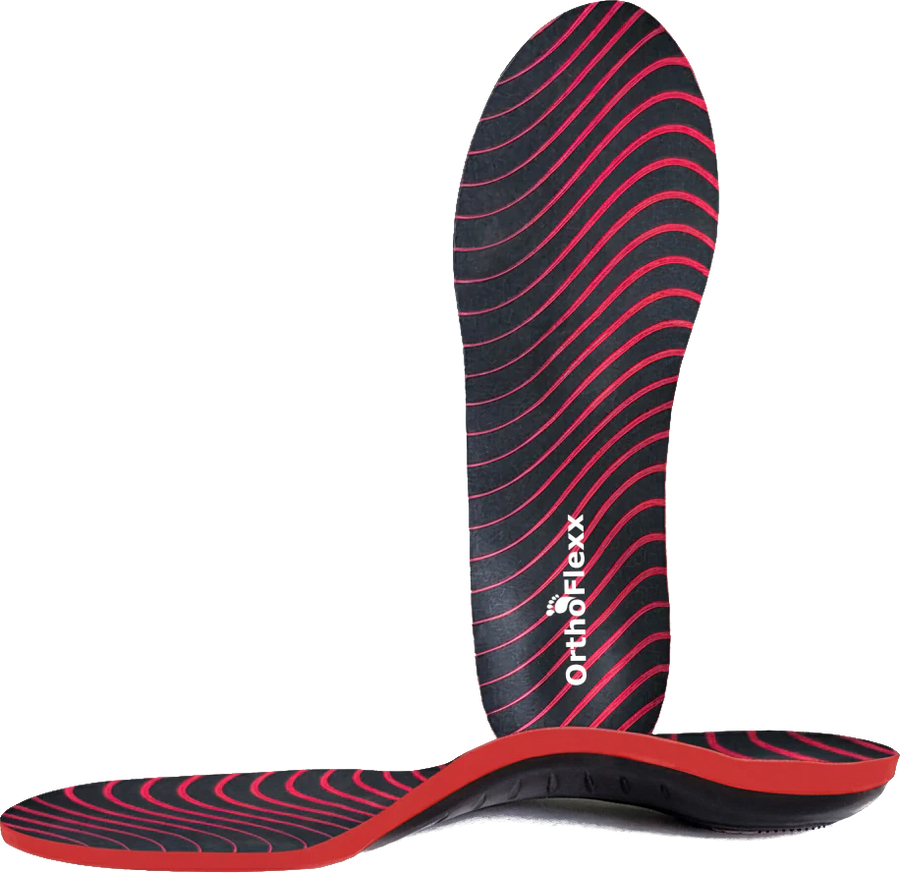
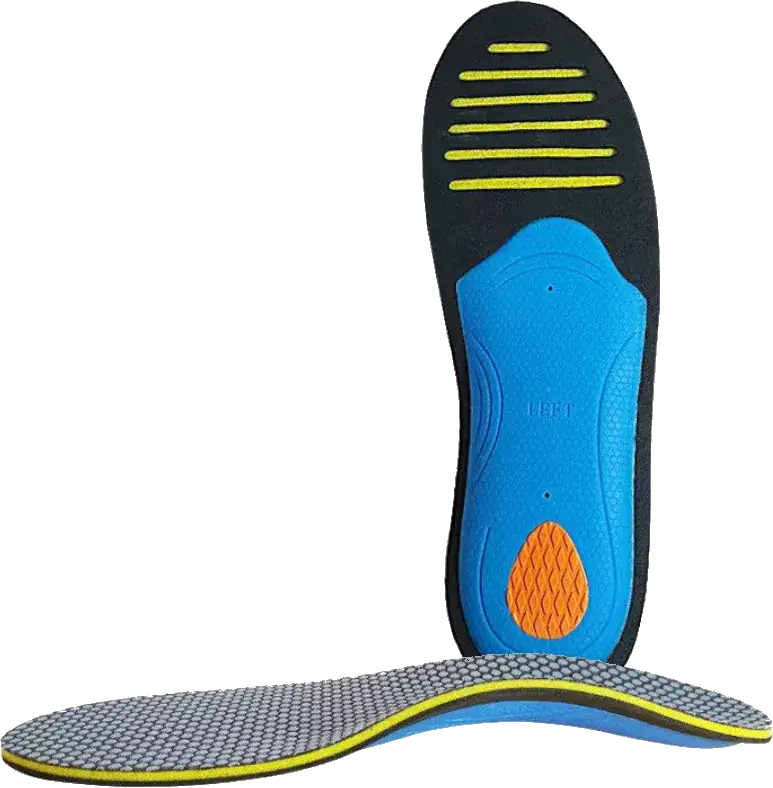
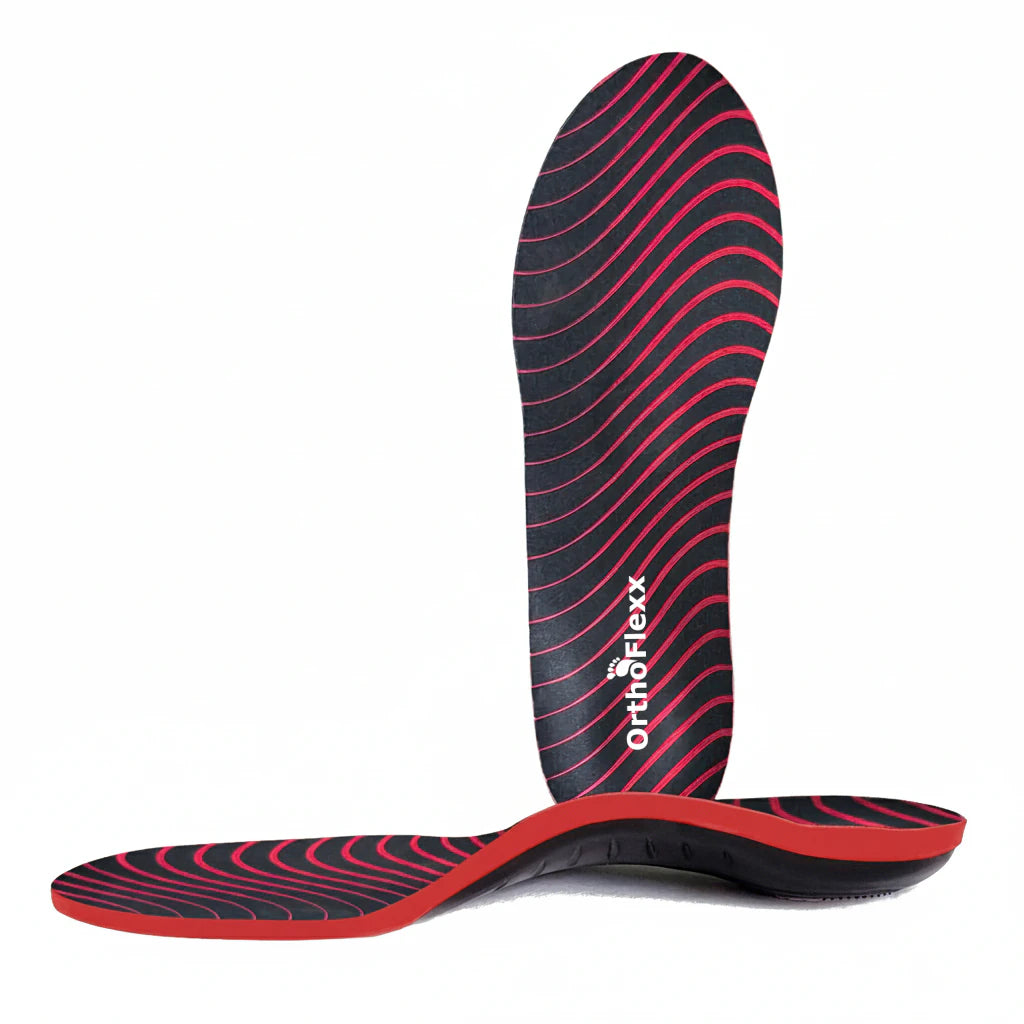
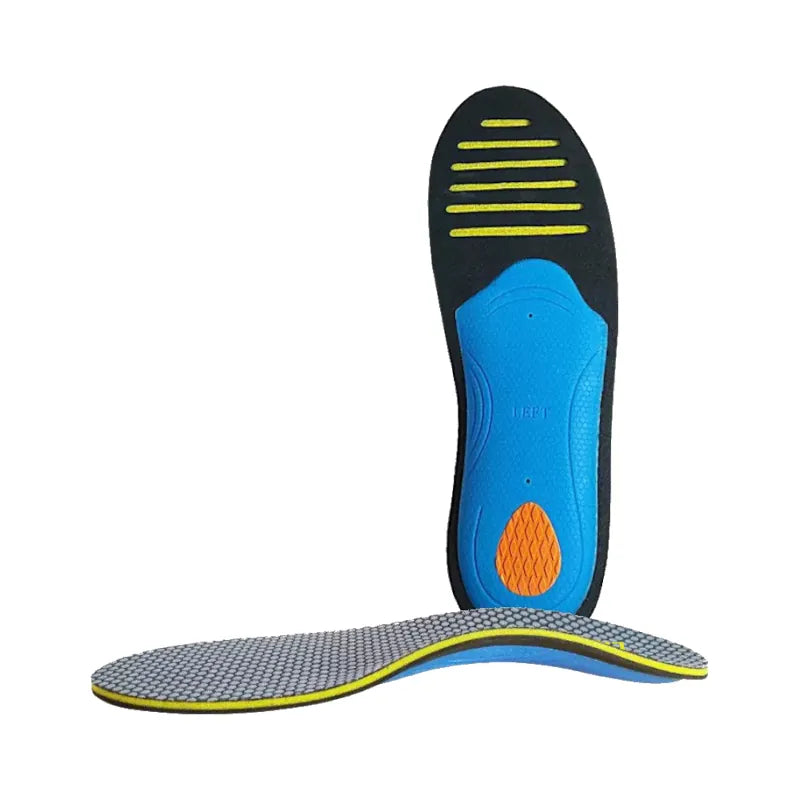
The good news is that both conditions often improve with conservative treatment (and by conservative I don’t mean passive). Stretching the calves and the bottom of the foot can reduce tension on the plantar fascia. Wearing supportive footwear with proper cushioning is very important, especially if you spend a lot of time on your feet. Rest, ice, and avoiding repetitive strain can also help calm the irritation.
Recovery usually takes patience, but most people improve significantly with the right approach and consistency. If heel pain continues for several weeks, it’s always worth seeking professional advice to better understand the cause and prevent the problem future issues. Your feet support you every day, so they deserve proper care and attention.