



Why do I have a hard bump on my heel?
The other day I had in my clinic a patient complaining about hard bumps forming at the back of his heel. He was an athelete, more specifically a long distances runner.
Not just a bump
In many cases, this is related to a condition called Haglund’s deformity, where a bony enlargement develops at the back of the heel where the Achilles tendon attaches. This bump can be caused by repeated stress, tight calf muscles, and friction from shoes, especially if the heel counter is stiff or poorly fitting.
How it builds over time
Haglund’s deformity often develops slowly over time. Running or repetitive activities put constant tension on the Achilles tendon, and the body responds by forming extra bone or thickened tissue to protect the area. This creates a firm, sometimes painful lump just above the heel, which can rub against shoes and cause irritation or bursitis in the surrounding soft tissue. Limited ankle flexibility or tight calves can worsen the problem by increasing pressure on the back of the heel.
What actually helps
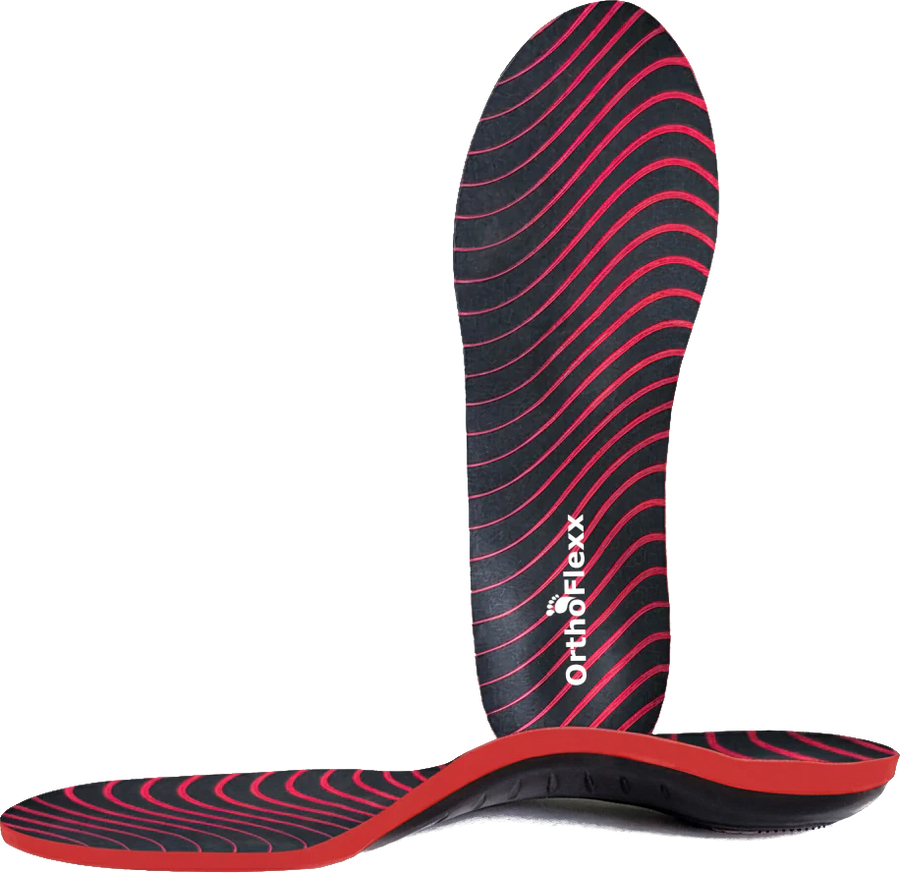
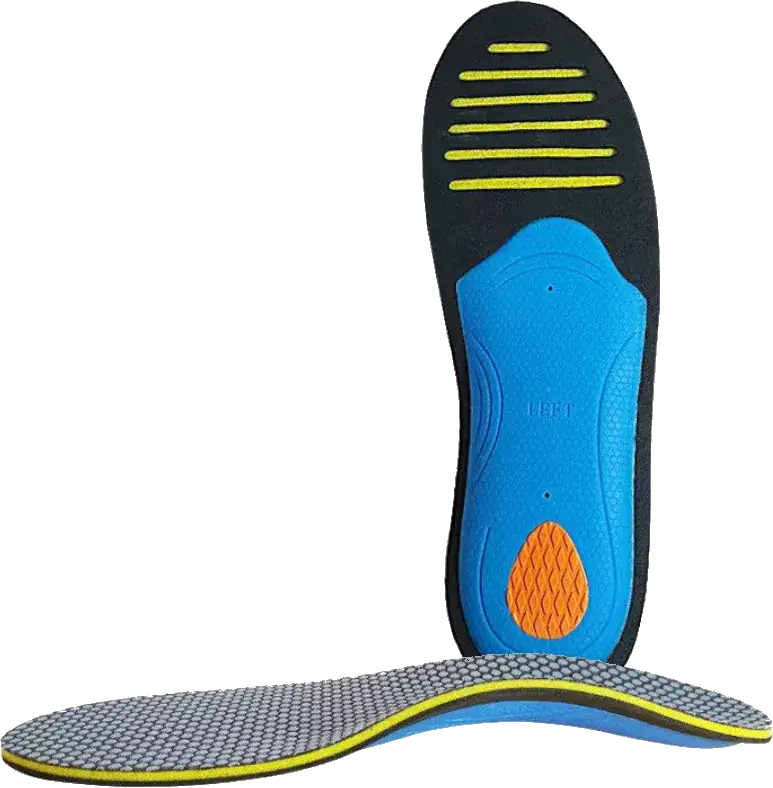
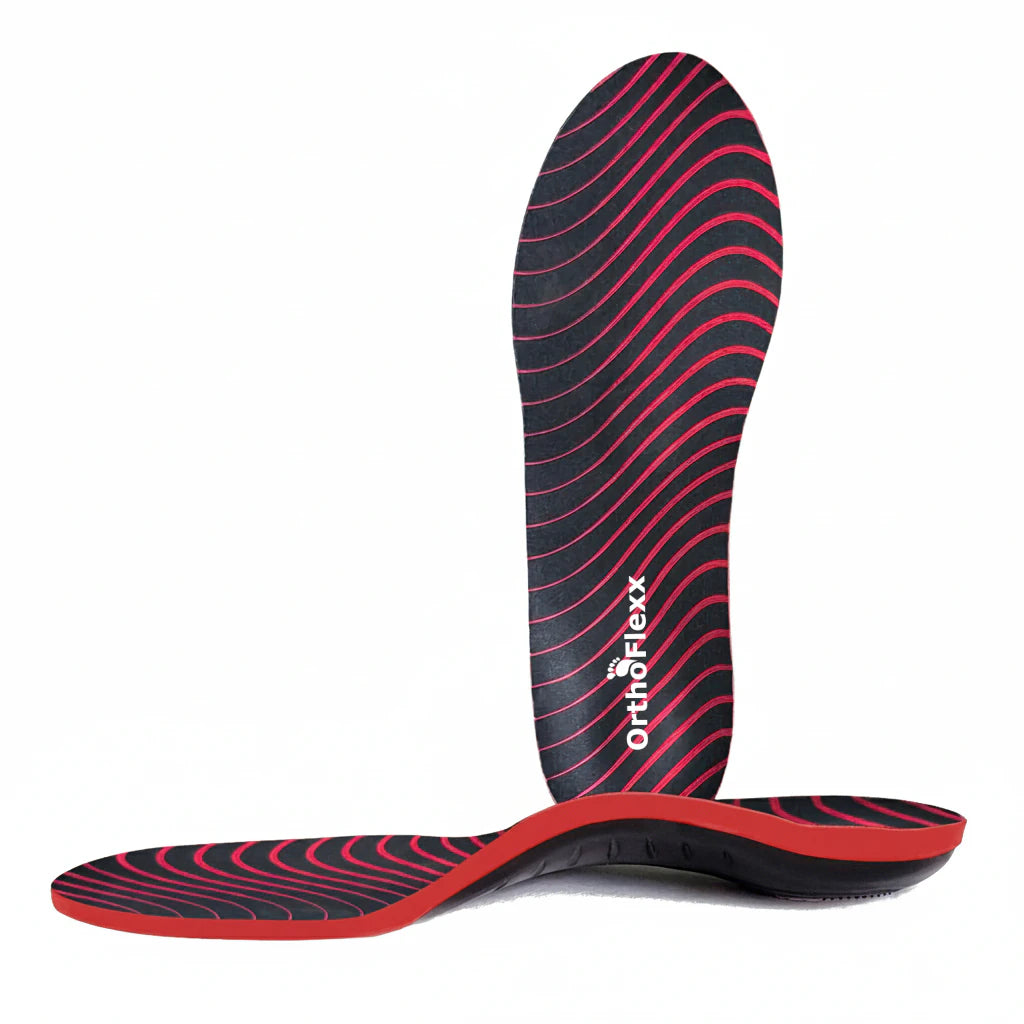
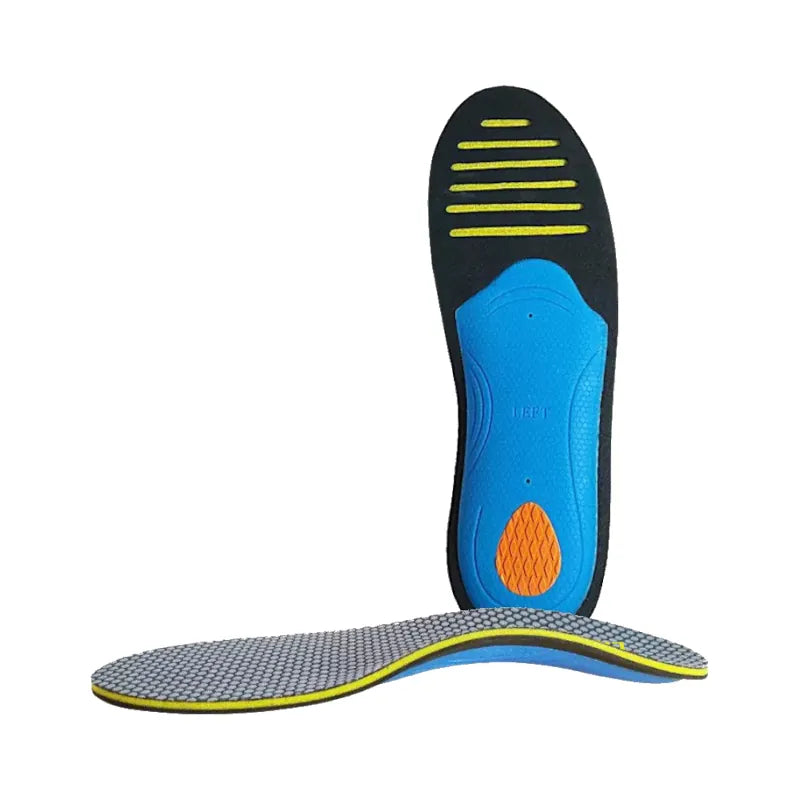
Managing Haglund’s deformity focuses on reducing friction and relieving tension on the Achilles tendon. Stretching the calves and Achilles regularly can help, as can wearing shoes with a soft or cushioned heel counter. Heel pads or orthotics may reduce pressure and help redistribute load. Strengthening exercises for the foot and calf can improve support and prevent further irritation.
When to take it seriously
If the bump becomes very painful, swollen, or limits activity, a professional assessment is important. Imaging can confirm the diagnosis and rule out other issues. In most cases, conservative care with stretching, proper footwear, and load management can reduce pain and allow continued activity without surgery.
The long game
Listening to your body and adjusting your training and footwear can make a big difference. With consistent care, many runners are able to manage Haglund’s deformity effectively while keeping their heels protected and comfortable.