



How does plantar fasciitis lead to knee pain?
"I keep getting this sharp pain in my heel...and now my knee is acting up too! Why is it all happening at the same time?"
Why heel pain can trigger knee pain
As a physiotherapist working in the musculoskeletal field, I often see people with symptoms in more than one place and this is quite easy to explain. Let's take the example of someone with a plantar fasciitis diagnosis that comes into the clinic with pain in their knee. When plantar fasciitis shows up, and it has been there for quite some time, it rarely affects only the heel. It changes the way you move, even if you don't notice it at first, and that shift can potentially irritate your knee.
The hidden cause behind plantar fasciitis
Plantar fasciitis happens when the thick band of tissue under your foot becomes inflamed and sensitive, predominantly giving symptoms in the bottom of your foot, towards the heel. Walking or running may be painful so your body naturally tries to protect the heel by changing the way you strike the floor.
This can happen in different manners such as shortening your stride, rolling your foot outward, or shift your weight more to one side. These changes seem small, but your knee picks up the extra workload. It starts absorbing forces your foot used to handle, and over time the joint becomes irritated.
How poor foot mechanics put extra strain on your knee
The knee depends on good alignment from the ground up. When the foot isn’t moving smoothly, the knee can rotate or bend in awkward angles, and the muscles around it tighten to keep you stable. This is why some people with plantar fasciitis start to feel pain in the knee, sometimes during stairs, squatting, or longer walks.
How the right support relieves pressure on both
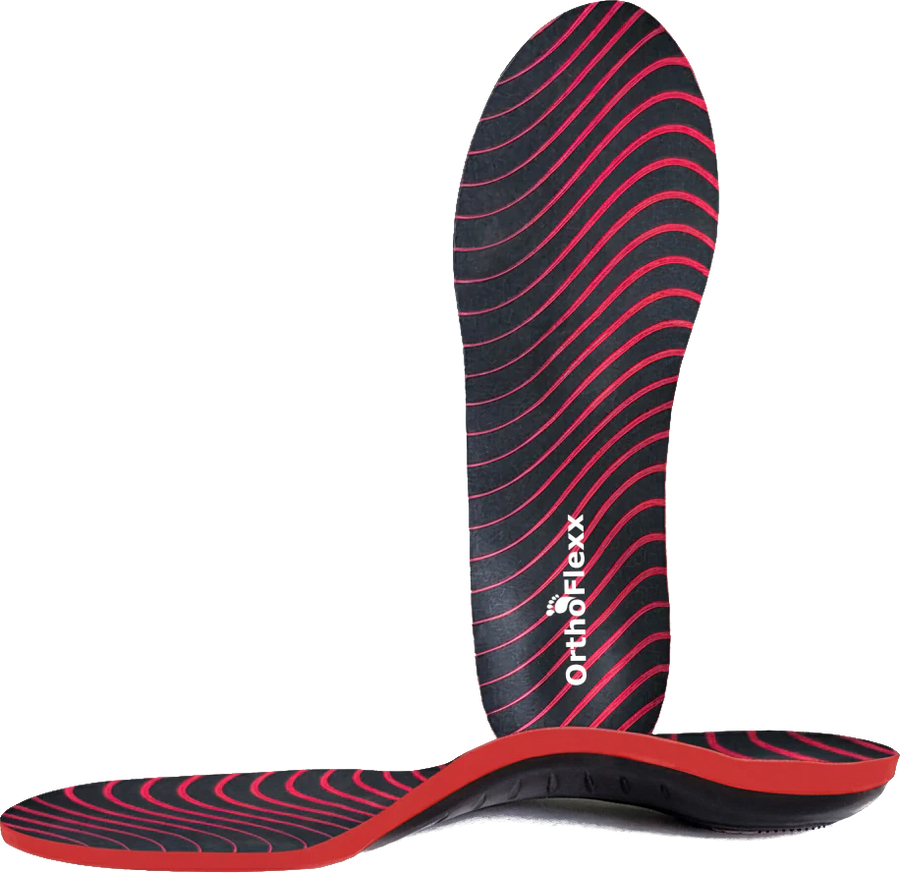
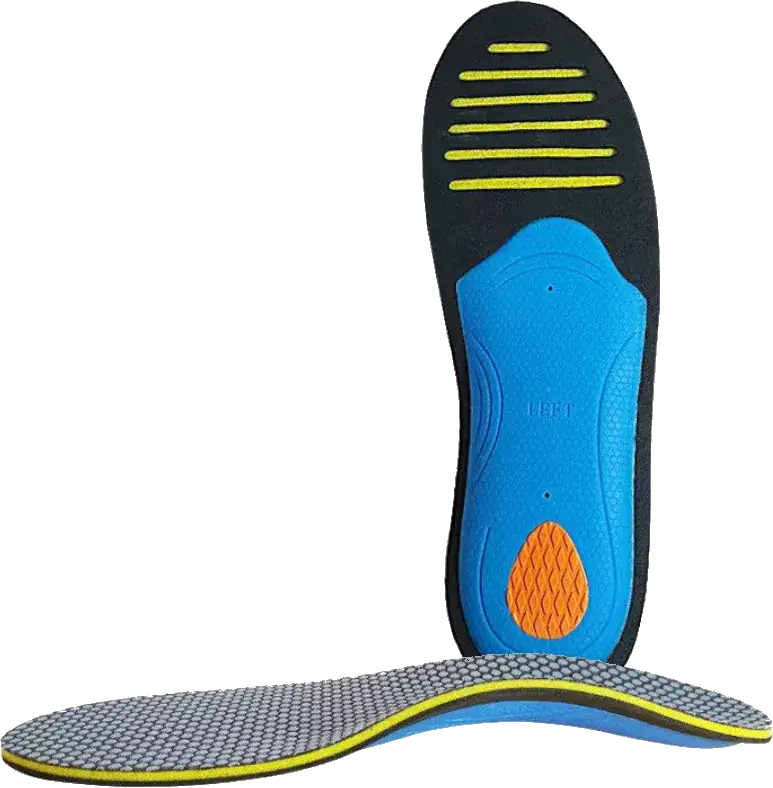
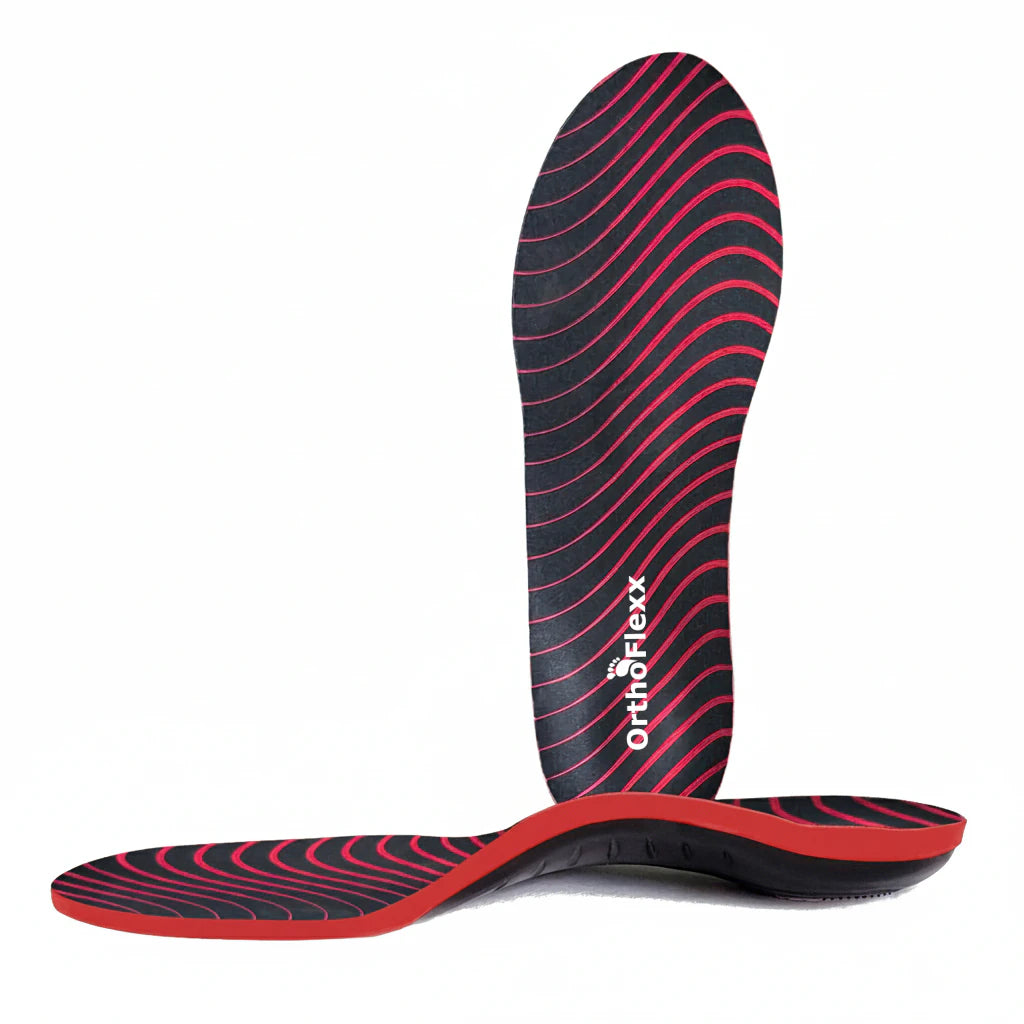
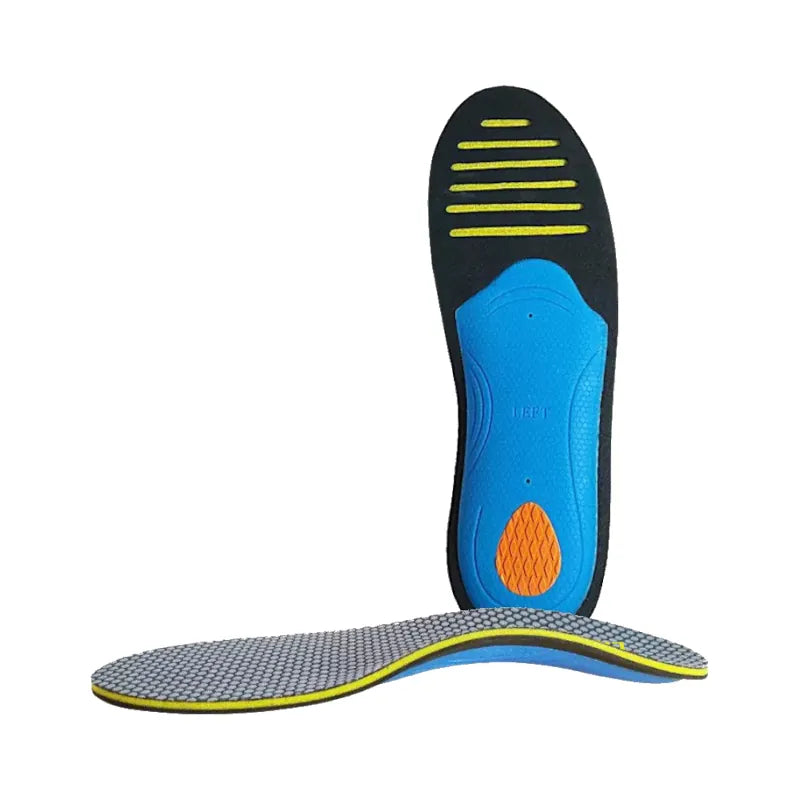
The good news is that helping your foot often helps your knee at the same time. Supportive footwear can realign your steps and reduce the pressure through your heel. Insoles with firm arch support can prevent the foot from collapsing inward, which takes a lot of strain off the knee.
Gentle stretching of the calves and the plantar fascia can ease tension, and strengthening the foot and ankle muscles improves overall stability. Many people also find relief by reducing long periods of standing on hard floors and gradually increasing their activity level instead of pushing through pain. Maintaining an active, balanced lifestyle can make a noticeable difference.
When persistent pain needs professional assessment
If the knee discomfort continues, it’s worth having a physiotherapist assess your movement. With the right exercises and support, both the heel and knee usually settle well.