



Which Type of Flat Feet Do You Have?
Did you know that there are actually two different types of flat feet? Many people assume that all flat feet are the same, but that's not the case. The two main types are flexible flat feet and rigid flat feet, and understanding the difference is important because they can have different causes, symptoms, and treatment options.
Flexible Flat Feet: The Most Common Type
Flexible flat feet are the most common type. In this case, the arch is visible when you sit down or stand on your tiptoes, but it flattens when you stand normally and put weight on your feet. Many people with flexible flat feet never experience pain or problems. However, others may notice aching in the arches, heels, ankles, or even the knees after long periods of walking or standing. Flexible flat feet are often linked to loose ligaments, muscle weakness, genetics, or gradual changes that happen with age.
Rigid Flat Feet: When the Arch Never Appears
Rigid flat feet are much less common but usually require closer attention. With this type, the arch remains flat all the time, whether you are sitting, standing, or on your tiptoes. The foot is often stiff, making movement more limited. Rigid flat feet may develop because of arthritis, previous injuries, abnormal bone development, or conditions where the bones in the foot are joined together. Unlike flexible flat feet, this type is more likely to cause ongoing pain and difficulty with everyday activities.
A Simple Test You Can Try at Home
A simple way to get an idea of which type you may have is to look at your feet while sitting and then again while standing. If your arch appears when you are sitting but disappears when you stand, your flat feet are likely flexible. If the arch stays absent in both positions and your foot feels stiff, it may be rigid. This is only a basic observation, and a proper assessment by a healthcare professional is the best way to confirm the diagnosis.
What Can Help?
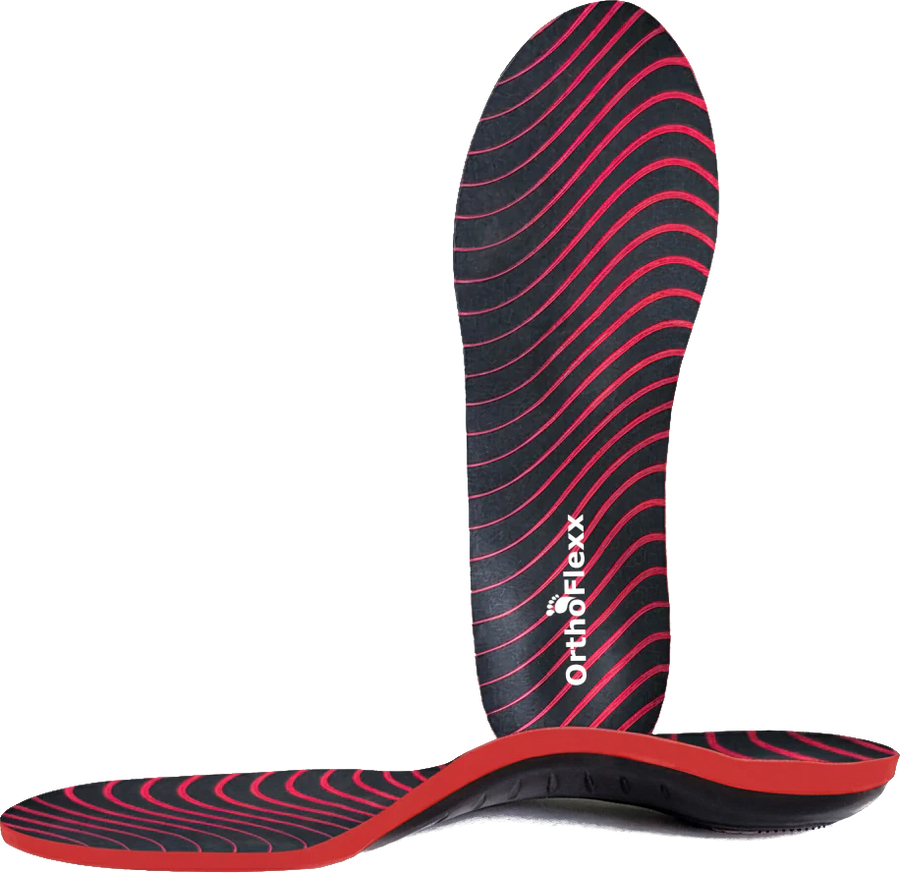
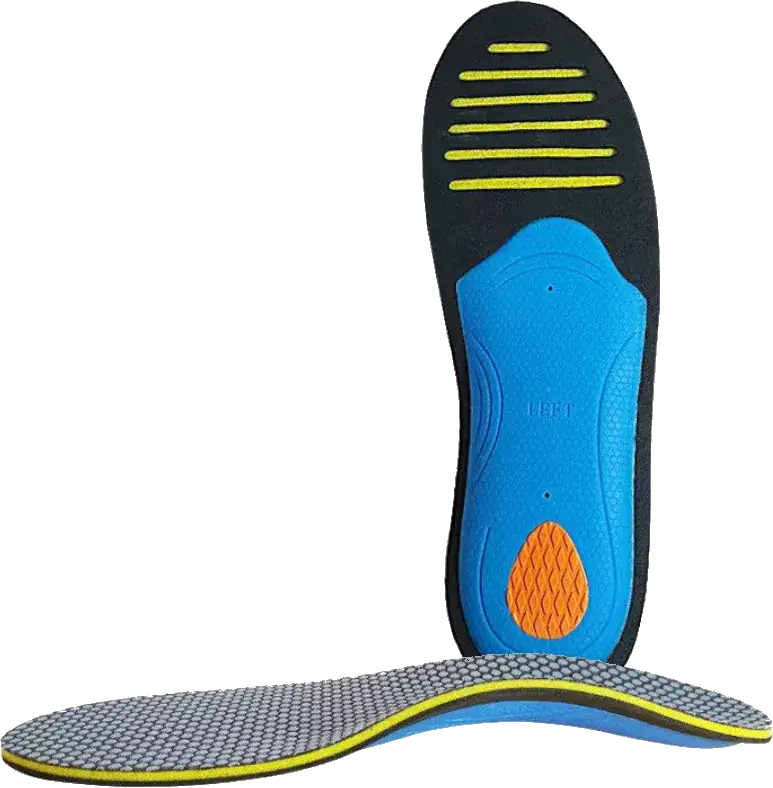
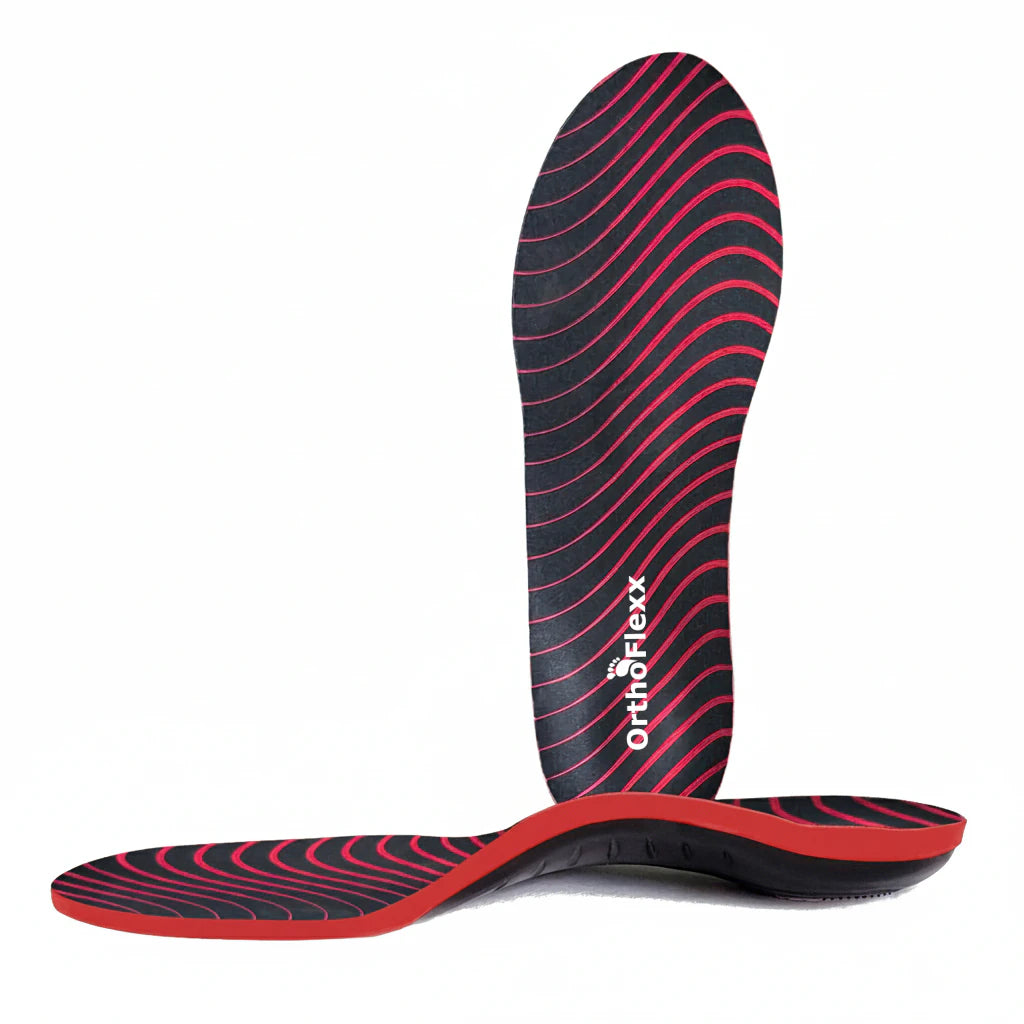
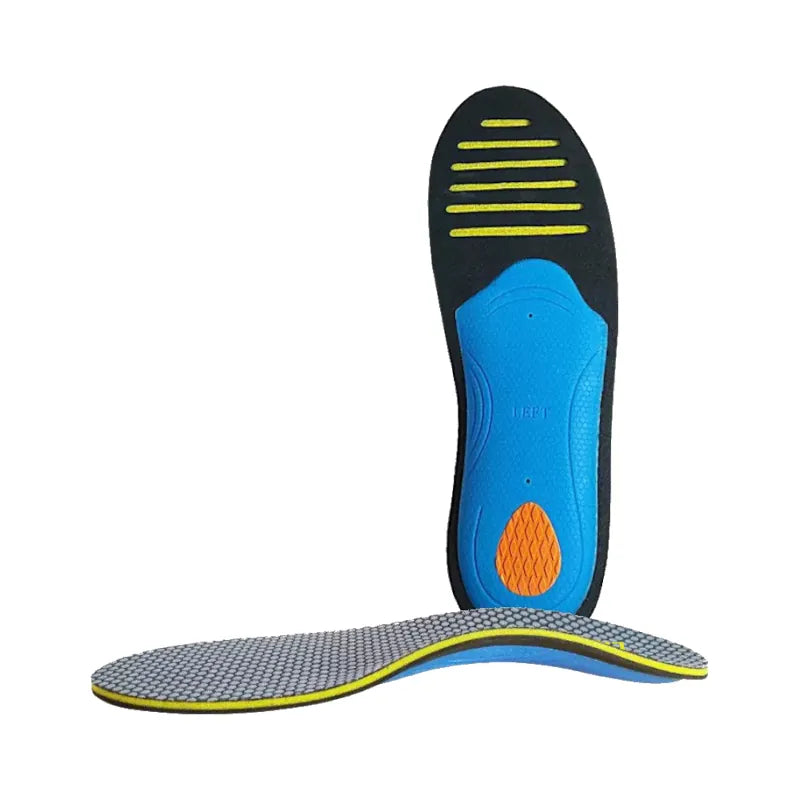
If you have flexible flat feet, wearing supportive shoes, using well-fitted insoles, strengthening the muscles of your feet, and stretching your calves can often improve comfort and reduce strain. If your flat feet are rigid or becoming increasingly painful, it is important to seek professional advice. Further assessment and imaging may be needed to identify the underlying cause and determine the most appropriate treatment.
When Flat Feet Shouldn’t Be Ignored
Not everyone with flat feet needs treatment, but persistent pain should never be ignored. Whether your flat feet are flexible or rigid, understanding your feet is the first step toward keeping them healthy, comfortable, and supporting you through everyday life.