



How Can You Prevent Foot Pain in Summer?
Weather is getting warmer. Summer is a time when many of us become more active. We walk more, travel, spend long days sightseeing, and enjoy outdoor activities. While this is great for your overall health, it also means your feet are working much harder than they do during the rest of the year. If you don't give them the support they need, it's common to develop heel pain, sore arches, tired feet, or even conditions like plantar fasciitis.
One of the biggest mistakes I see is wearing unsupportive footwear for long periods. Flip flops and flat sandals may feel cool and comfortable at first, but they often provide very little arch support or shock absorption. Without proper support, the muscles and ligaments in your feet have to work much harder with every step. After several hours, this extra strain can lead to pain not only in your feet but also in your ankles, knees, and lower back.
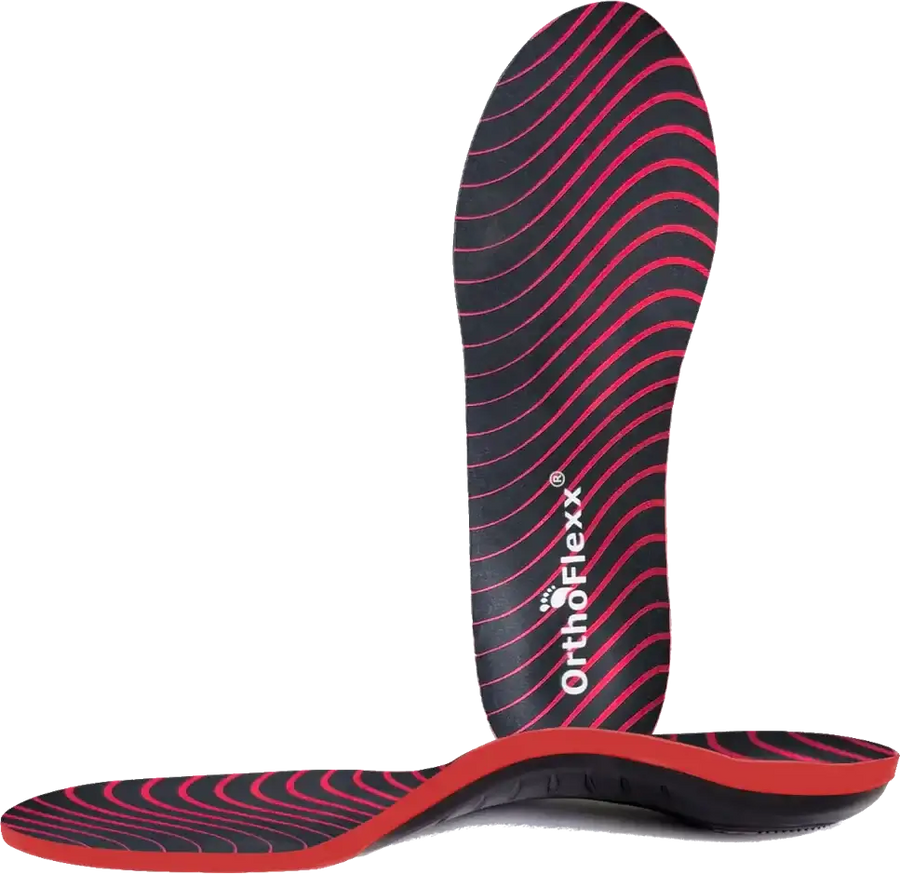
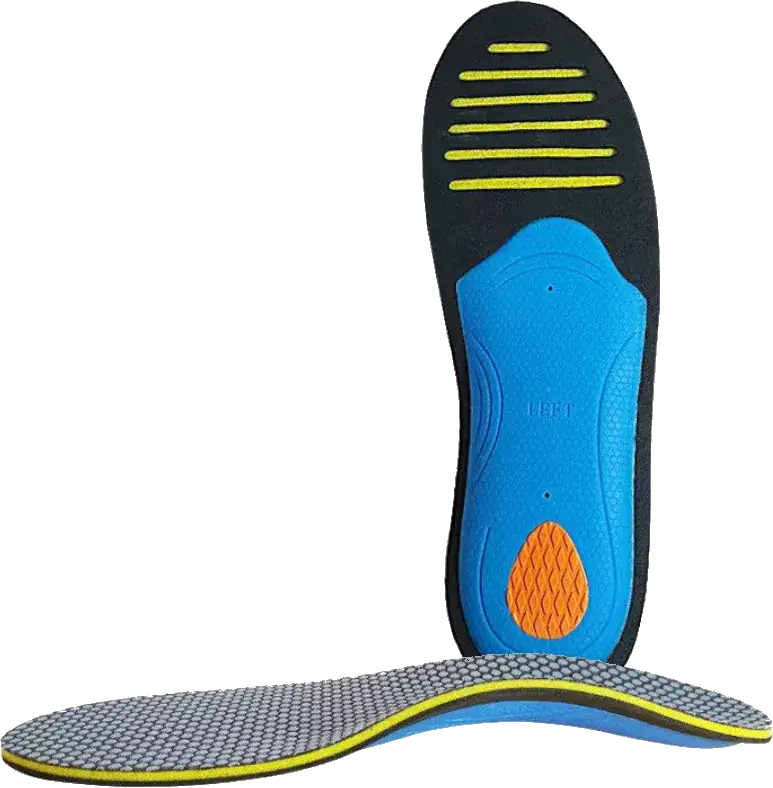
If you know you'll be walking a lot, choose shoes with good cushioning, a stable heel, and proper arch support. If you prefer wearing sandals, look for models that are designed to support the natural shape of your foot rather than completely flat styles. If your favorite summer shoes lack support, adding quality insoles can often make a noticeable difference.
It's also important to increase your activity gradually. Many people go from sitting at work most of the week to walking for hours during weekends or holidays. Your feet need time to adapt to this sudden increase in activity. Taking regular breaks and avoiding doing too much on the first day of a trip can help prevent overuse injuries.
Simple stretching exercises can also keep your feet feeling comfortable. Stretching your calves and Achilles tendon reduces tension on the plantar fascia, while gently stretching the bottom of your foot before getting out of bed can be especially helpful if you tend to experience morning heel pain. Strengthening exercises such as calf raises or picking up a towel with your toes can improve the stability of your feet over time.
Finally, don't ignore early signs of discomfort. Mild soreness after a long day is normal, but pain that returns every day or becomes worse is your body's way of telling you that something needs attention. Addressing the problem early with better footwear, supportive insoles, stretching, and rest is much easier than waiting until the pain becomes persistent.
Your feet carry you through every summer adventure. Looking after them with the right support and healthy habits can help you stay active, comfortable, and pain free throughout the season. If pain continues despite these changes, a physiotherapist or podiatrist can help identify the cause and recommend the most appropriate treatment.