



Does Foot Massage Or Myofascial Release Help Plantar Fasciitis?
Foot massage and myofascial release are two treatments people often try when dealing with plantar fasciitis. They can certainly help reduce discomfort, but they are not a cure on their own. Understanding how they work can help you decide whether they should be part of your recovery plan.
Massage can be helpful because it reduces muscle tension and temporarily improves blood flow to the surrounding tissues. Many people find that gently massaging the arch of the foot helps decrease stiffness and makes walking more comfortable. Myofascial release works in a similar way by targeting tight areas in the connective tissue, helping improve flexibility and reducing tension that may be contributing to the pain.
A simple way to massage the foot at home is by rolling it over a small massage ball or a frozen water bottle for five to ten minutes. Applying gentle pressure with your hands along the arch can also provide relief. The massage should feel comfortable, not painful. It is very common, in physiotherapy sessions, to see therapists aplying too much pressure over an already irritated and painful area. This should not be the way to do it. Using excessive force may irritate the already sensitive tissue and make symptoms worse.
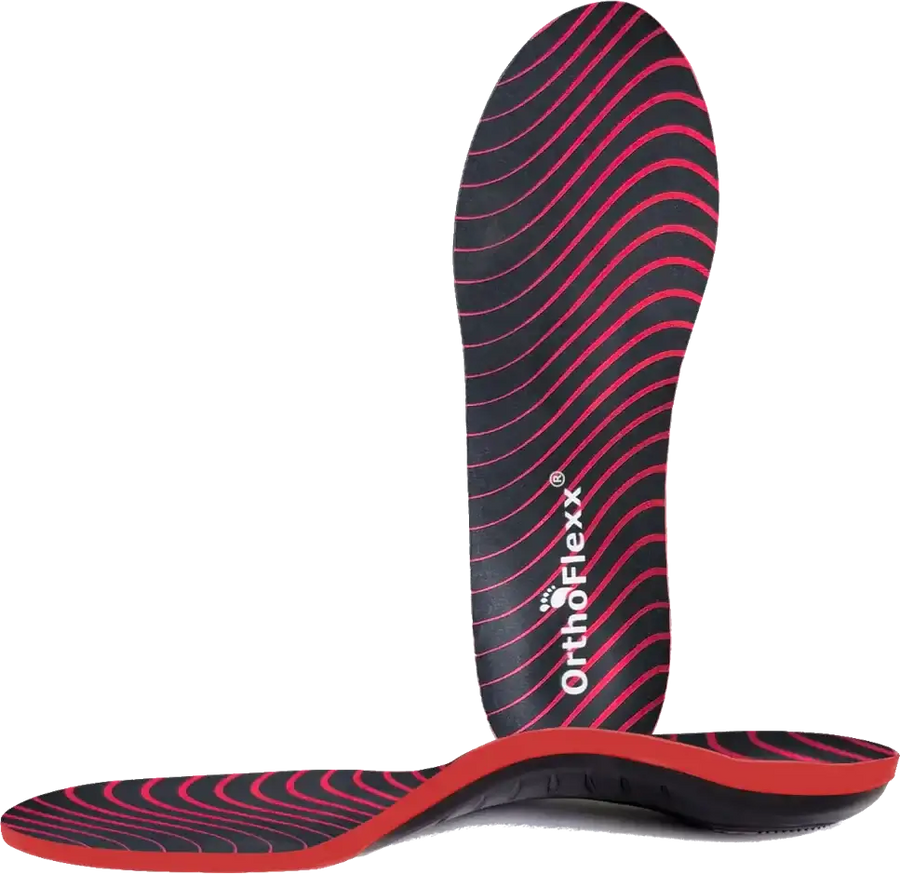
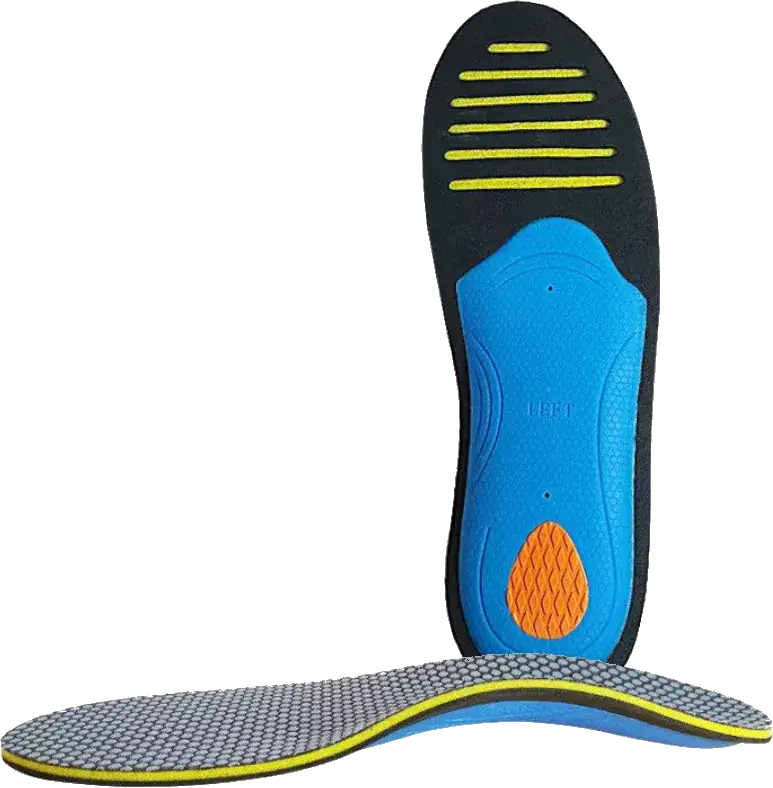
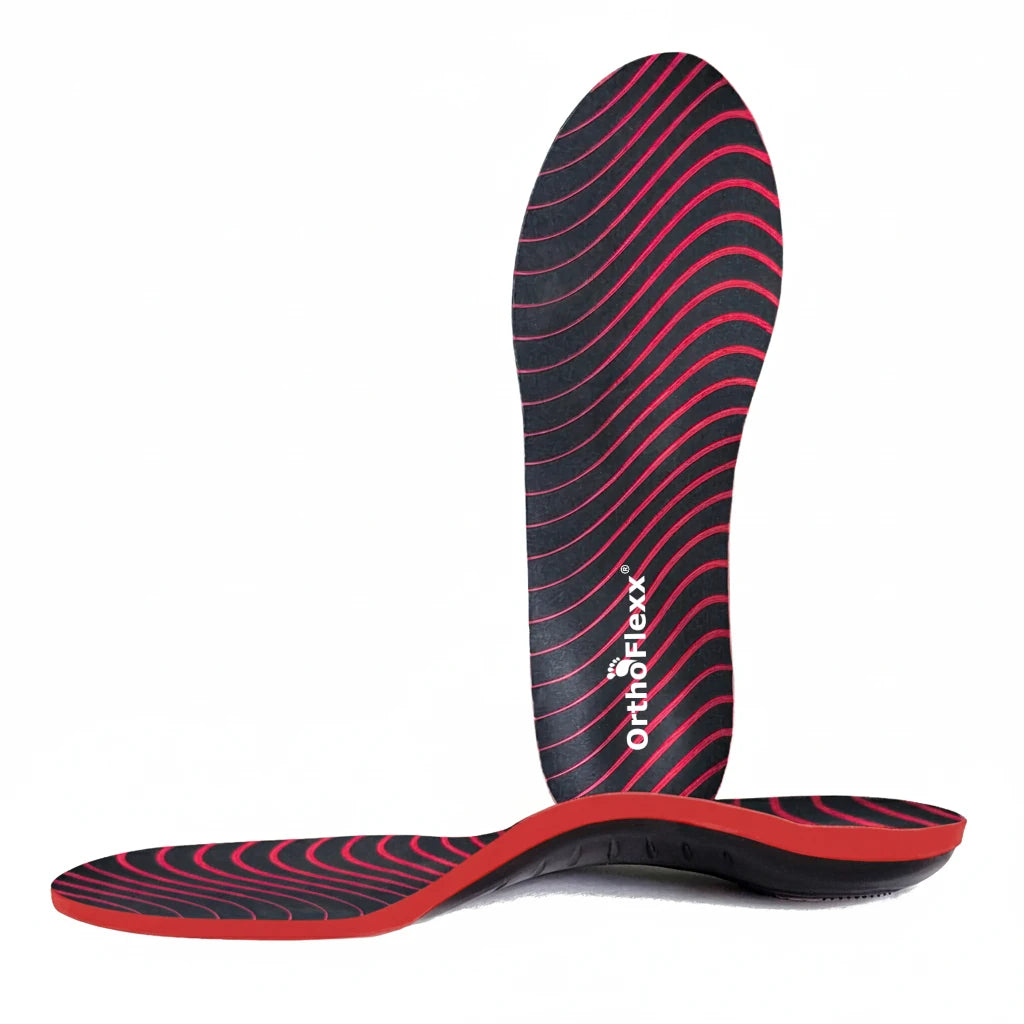
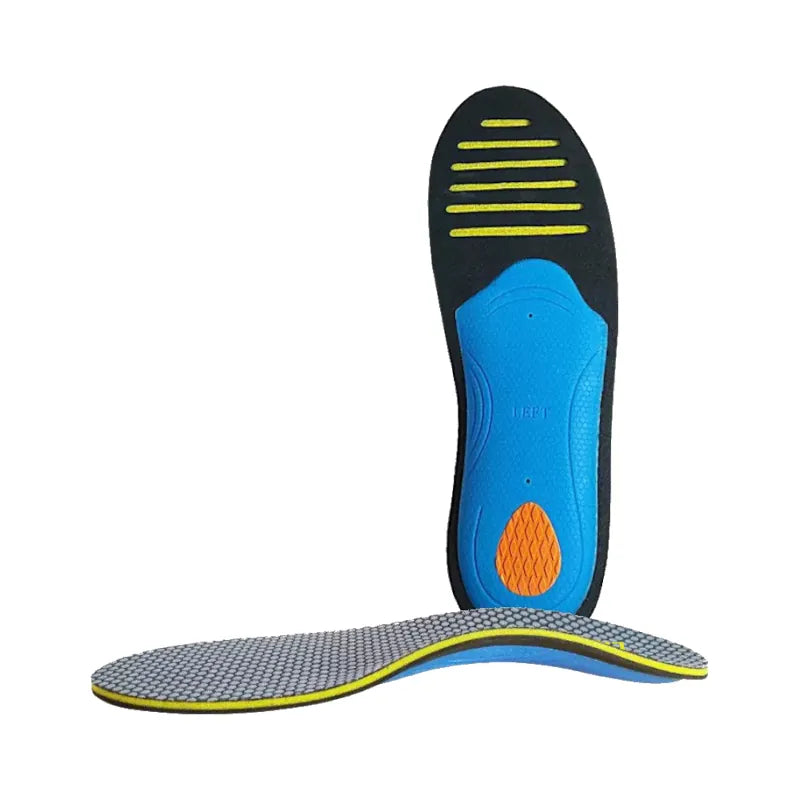
Although massage can ease symptoms, it works best when combined with other treatments. Stretching the calves and the plantar fascia regularly can reduce tension on the heel. Wearing supportive footwear throughout the day is equally important, especially if you spend long hours standing or walking. If your shoes lack proper support, firm arch support insoles that maintain their shape under pressure can help reduce stress on the plantar fascia and improve foot alignment.
Strengthening the muscles in your feet and lower legs is another important part of recovery. Exercises such as calf raises, towel scrunches, and balance exercises help improve the foot's ability to handle daily loads and reduce the likelihood of recurring pain.
Foot massage and myofascial release can be valuable tools for managing plantar fasciitis, but they are most effective as part of a complete treatment approach rather than a standalone solution. If your heel pain continues for several weeks or begins limiting your daily activities, it's worth seeking advice from a physiotherapist or podiatrist. With the right combination of treatment and patience, most people can return to comfortable, pain free movement.