




Are Your Feet Ready for Hiking?
If you're looking forward to spending more time on hiking trails, don't forget that your feet need preparation too. As a physiotherapist, I often see people who are excited to get back outdoors but end up dealing with heel pain, blisters, sore arches, or aching ankles after their first few hikes. The good news is that a little preparation before hiking season begins can make a big difference.
After months of being less active or walking mostly on flat surfaces, your feet and lower legs may not be ready for the extra demands of uneven trails. Hiking requires your feet to absorb impact, maintain balance, and adapt to constantly changing terrain. If the muscles and tendons aren't conditioned, they become tired more quickly, increasing the risk of pain and overuse injuries.
One of the best ways to prepare is by gradually increasing your walking distance before tackling longer hikes. Start with shorter walks on different surfaces and slowly build up your endurance each week. This allows your feet, calves, and ankles to adapt without becoming overloaded.
Strengthening your feet is just as important as improving fitness. Simple exercises like calf raises, toe curls, and balancing on one foot help improve stability and support. Stretching your calves and the bottom of your feet every day can also reduce tightness and improve flexibility, making your first hikes feel much more comfortable.
Your footwear deserves careful attention as well. Hiking boots or trail shoes should provide good support, enough room for your toes, and a secure fit around the heel. Wearing brand new boots on a long hike is one of the most common mistakes I see. Instead, break them in with shorter walks so your feet and the shoes can adjust to each other. Comfortable hiking socks that reduce friction can also help prevent blisters.
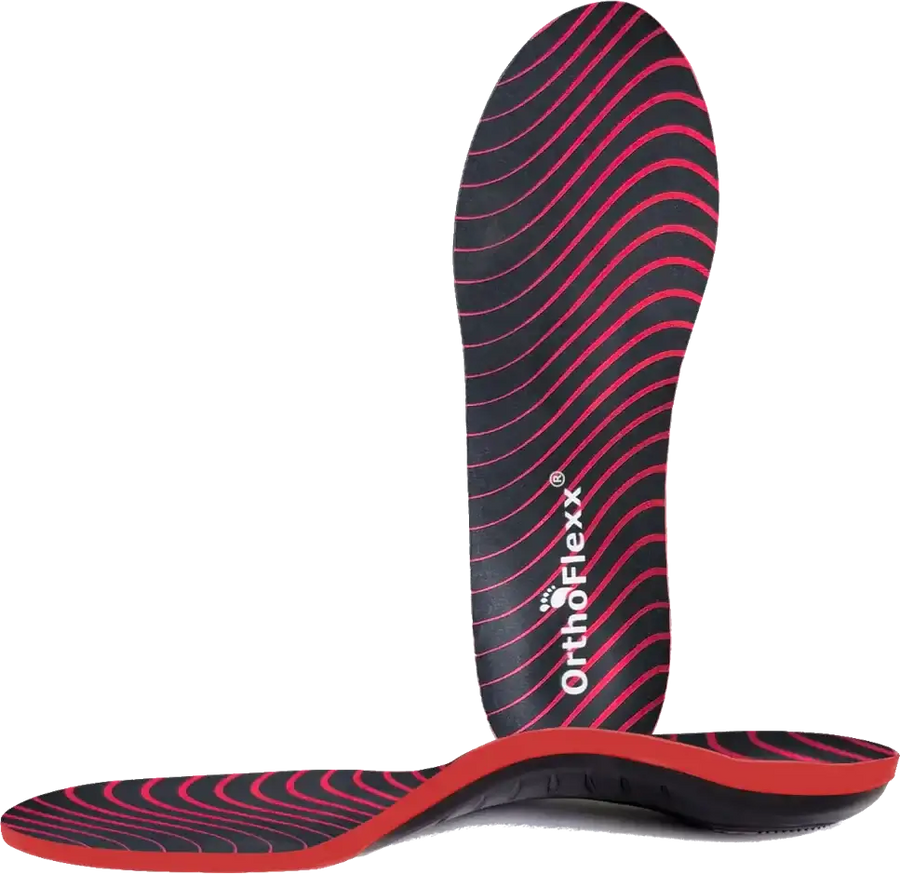
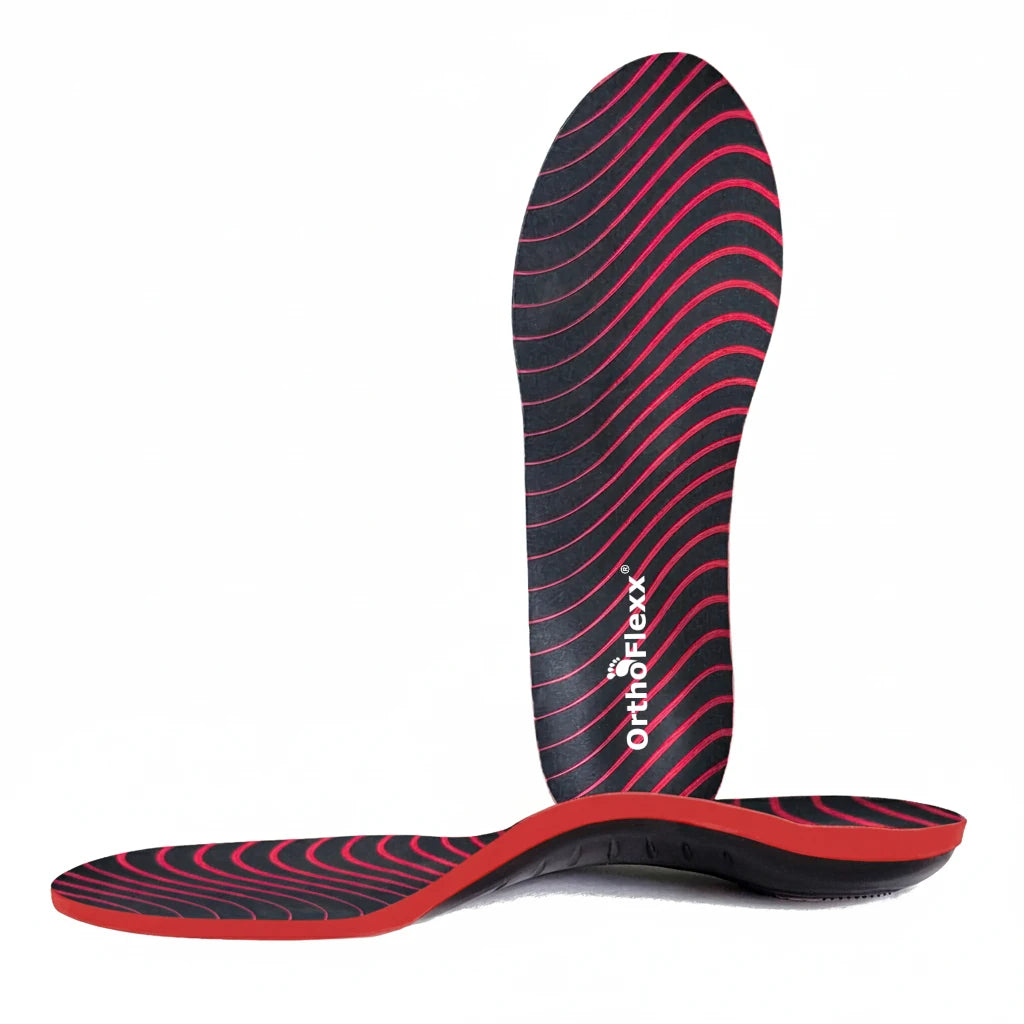
If you have flat feet, high arches, or a history of plantar fasciitis, extra support may be beneficial. A supportive insole can improve comfort and reduce strain during long walks, especially on uneven terrain. Choosing the right level of support before discomfort develops is often easier than trying to manage pain once it appears.
Finally, listen to your body. Mild muscle tiredness is normal when increasing activity, but persistent foot pain is a sign that something needs attention. Taking an extra rest day, stretching regularly, and avoiding sudden increases in hiking distance can help keep small aches from becoming bigger problems.
Hiking is one of the best ways to stay active and enjoy nature, and healthy feet make every step more enjoyable. A little preparation now can help you explore the trails with greater comfort, confidence, and fewer setbacks throughout the hiking season.