




What Happens During a Heel Pain Assessment?
If you've ever found yourself wondering what a physiotherapist actually looks for during a first appointment for heel pain, you're not alone.
If your heel has been hurting for weeks or even months and the pain is not improving, a thorough assessment is an important first step toward finding the cause and creating an effective treatment plan.
Heel Pain Isn’t Always Plantar Fasciitis
Many people assume heel pain is always plantar fasciitis, but several different conditions can cause similar symptoms. These include irritation of the plantar fascia, Achilles tendon problems, nerve irritation, stress injuries, joint stiffness, or even issues higher up the leg that affect the way you walk.
What Can Your Symptoms Tell Us?
During an assessment, I will first ask questions about your symptoms. When did the pain start? Is it worse in the morning when you take your first steps? Does it increase after exercise or long periods of standing? Your answers provide valuable clues about what structures may be involved.
Next, I will look at how you stand and walk. The way your feet move, the position of your arches, and how your ankles and knees align can all contribute to heel pain. Sometimes the source of the problem is not only the heel itself but also how the entire lower limb functions during movement.
I will also assess the mobility and strength of your foot, ankle, and calf muscles. Tight calf muscles and limited ankle flexibility are common findings in people with heel pain. Weakness in certain muscles can also increase stress on the tissues around the heel.
The assessment usually includes gently pressing different areas of the foot and heel to identify exactly where the pain is coming from. This helps distinguish between conditions that can otherwise feel very similar.
What Happens After the Assessment?
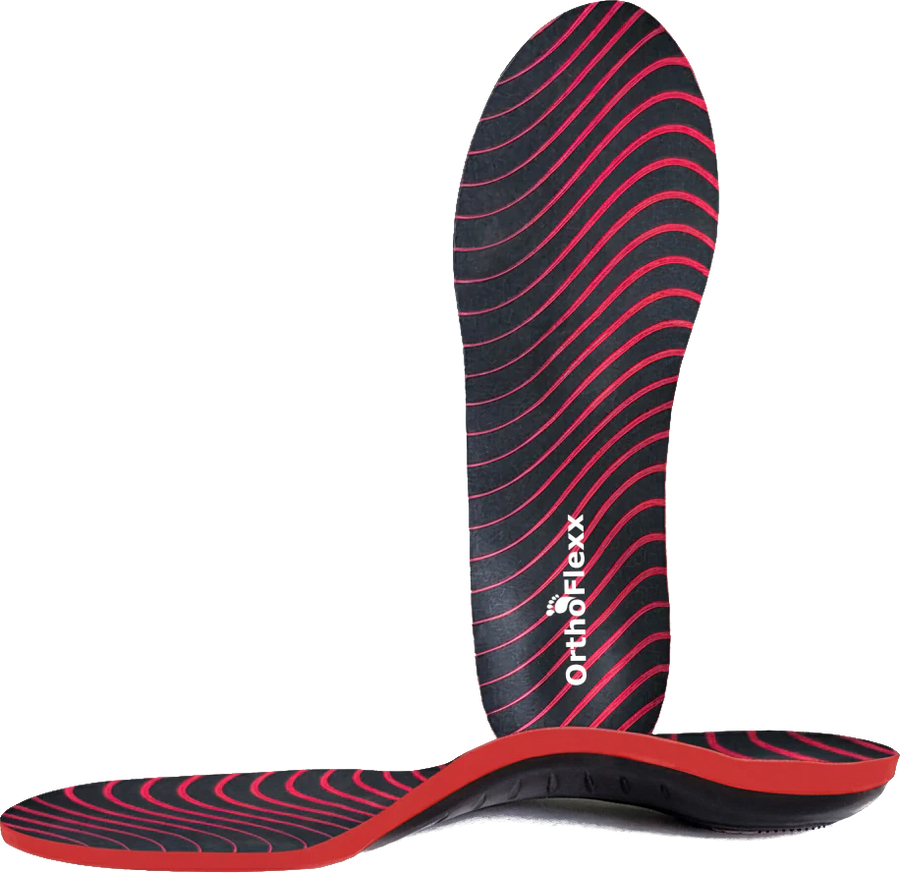
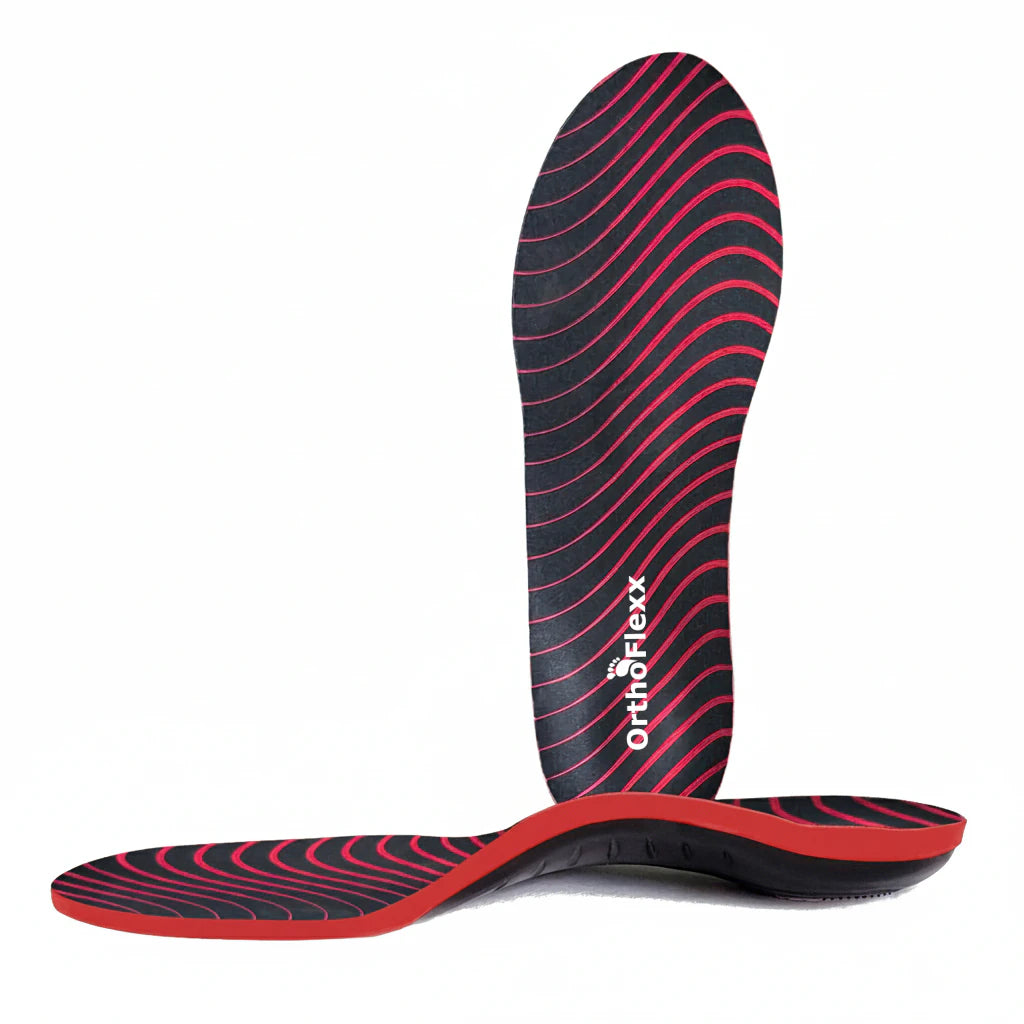
In many cases, treatment begins with simple strategies. Stretching the calves, reducing activities that aggravate symptoms, wearing supportive footwear, and gradually strengthening the foot and lower leg can all help. Some people may also benefit from orthotic insoles, taping techniques, or specific exercise programs.
The Right Diagnosis Can Make All the Difference
The good news is that most cases of heel pain improve when the underlying cause is identified and managed appropriately. If your pain has been lingering and does not seem to be getting better on its own, seeking professional assessment can provide clarity and help you get back to walking comfortably again. Your feet carry you through every day, and they deserve the attention and care needed to keep you moving without pain.